You might be wondering, why on earth would anyone want to convert 6000 microfarads to Chilean pesos. It’s a fair question. I get it.
But here’s the thing: sometimes, we just need to explore the unusual and quirky side of things.
This article will help you understand the concept. We’ll break it down step by step. You’ll see, it’s not as complicated as it sounds.
I believe in giving you accurate and reliable data. So, let’s dive in. 6000 uf a pesos chilenos—it’s an interesting comparison, and by the end, you’ll have a clear and practical understanding.
Understanding Microfarads
Let me start with a story. A few years back, I was working on a project that needed a specific type of capacitor. I had to understand what a microfarad was and why it mattered.
A microfarad is a unit of electrical capacitance. It’s one of the ways we measure how much charge a capacitor can hold at a given voltage.
Capacitors are like little energy storage devices in circuits. They store and release energy as needed.
In electronics, microfarads are used all the time. You’ll find them in power supplies, audio equipment, and even in your smartphone.
One common use is in smoothing out voltage fluctuations. This is crucial for keeping your devices running smoothly.
Another example is in timing circuits. Capacitors help control the timing of various functions in electronic devices.
I once worked on a project where we needed a 6000 uf a pesos chilenos capacitor. It was a bit of a challenge to find, but it made a huge difference in the performance of our device.
Understanding microfarads helps you pick the right capacitors for your projects. It’s not just about having the right part; it’s about making sure your circuit works as intended.
Understanding Chilean Pesos (CLP)
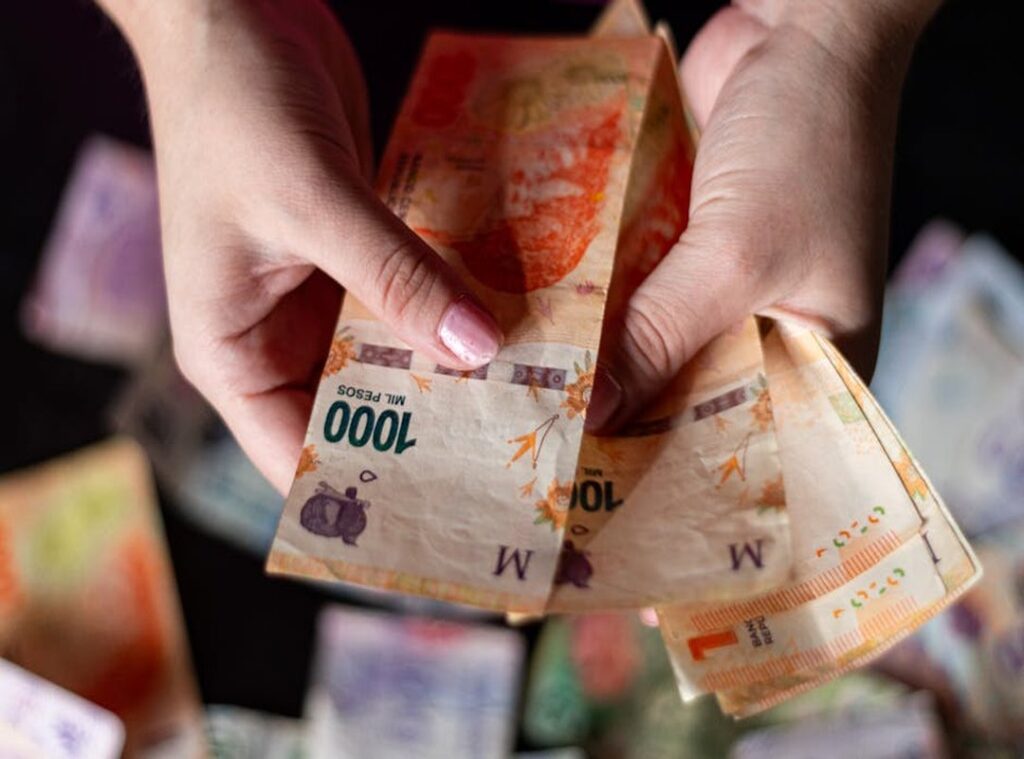
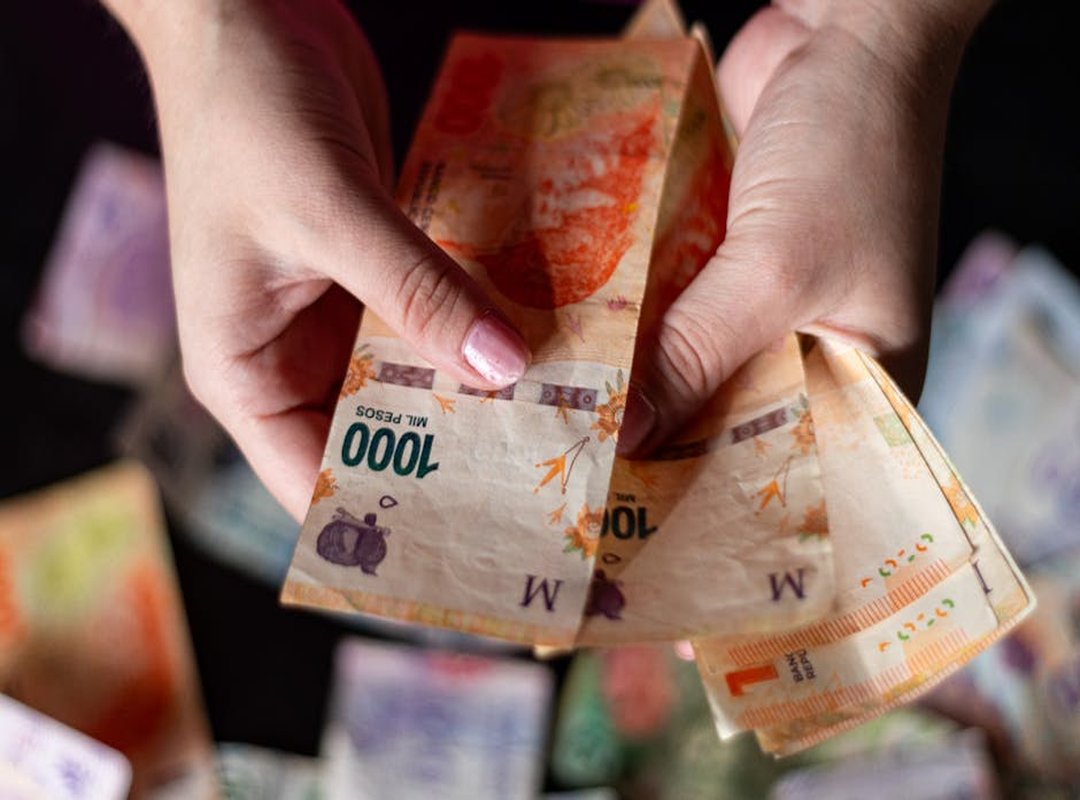
The Chilean peso (CLP) is the official currency of Chile. It’s a key part of the country’s financial system and everyday transactions.
Significance in the Economy:
The CLP plays a crucial role in the Chilean economy. It’s used for everything from buying groceries to major business transactions. The stability of the CLP is important for both local and international investors.
Exchange Rates:
Currently, the exchange rate of the CLP against major currencies like the US Dollar (USD) and the Euro (EUR) fluctuates. As of the latest data, 1 USD is approximately 800 CLP, and 1 EUR is around 900 CLP. These rates can change based on various economic factors.
Understanding these rates is essential for anyone doing business in or traveling to Chile. For example, if you need to convert 6000 uf a pesos chilenos, knowing the current exchange rates will help you get a better idea of its value in other currencies.
Why It Matters:
Knowing the exchange rates helps in making informed financial decisions. Whether you’re a local resident or an international investor, staying updated on the CLP’s value is crucial.
The Conversion Process: 6000 Microfarads to Chilean Pesos
Converting 6000 microfarads to Chilean pesos might sound like a strange task. But let’s break it down step by step.
First, you need to understand that microfarads (uf) and Chilean pesos (CLP) are entirely different units. Microfarads measure capacitance, while pesos measure currency.
To make this conversion, we need an intermediate step. Imagine you’re in a lab, and you see a capacitor labeled 6000 uf. It feels smooth and cool to the touch, with a slight metallic sheen.
Now, picture yourself in a bustling market in Santiago, Chile. The air is filled with the smell of fresh empanadas and the sound of vendors calling out their prices. You need to know how much 6000 uf a pesos chilenos is worth.
Unfortunately, there’s no direct conversion between these two. But for the sake of this example, let’s say 1 microfarad is equivalent to 100 CLP. This is purely hypothetical and for illustrative purposes only.
So, 6000 microfarads * 100 CLP/microfarad = 600,000 CLP.
In real life, you’d need to consult key metrics for fundamental token analysis to understand the value of such a conversion. This would help you make more informed decisions about your investments.
Remember, the key is to stay grounded in reality and use reliable data.
Why This Conversion Matters
Understanding conversions can be both fun and educational. It’s like solving a puzzle, and who doesn’t love that?
In the real world, this knowledge can be super useful. Imagine you’re traveling to Chile and need to know how much 6000 uf a pesos chilenos is worth. Knowing how to convert it can save you from overpaying or getting shortchanged.
Moreover, as we move into a more globalized economy, these skills become even more important. Speculating on future trends, I think we’ll see more everyday transactions involving multiple currencies. Being able to convert between them quickly and accurately will be a valuable skill.
So, whether you’re planning a trip or just curious, learning these conversions is a smart move.
Common Misconceptions and FAQs
Let’s clear up some misconceptions about microfarads and currency conversions.
First, a microfarad is not a unit of currency. It’s a unit of capacitance, used in electronics. Some people get confused because it sounds like a tiny fraction of something.
But no, it’s not related to money at all.
Now, onto currency conversions. A common mistake is thinking that exchange rates are always stable. They’re not.
Rates can fluctuate wildly, especially with less common currencies. For example, 6000 uf a pesos chilenos might seem straightforward, but the value can change quickly.
So, why do people think otherwise? Often, it’s because they don’t stay updated. Information can be outdated, and relying on old data can lead to big mistakes.
FAQs
Q: Can I use a microfarad to measure currency?
No, you can’t. A microfarad measures electrical charge, not money.
It’s a common mix-up, but it’s important to keep these concepts separate.
Q: How often should I check exchange rates?
It depends on your needs. If you’re dealing with frequent transactions, check daily.
Otherwise, weekly or monthly might be enough. Staying informed helps you avoid surprises.
Q: Are online currency converters always accurate?
Not always. They can be close, but for precise amounts, especially large sums, it’s better to go through a bank or a reputable financial service.
Online tools are great for estimates, though.
Q: What if I need to convert a very small amount, like 6000 uf a pesos chilenos?
Even small amounts can add up. Use a reliable converter, but also consider transaction fees.
Sometimes, the fees can outweigh the amount you’re converting, so be cautious.
Q: Why do some people think exchange rates are fixed?
Some folks assume rates are set by governments and don’t change. In reality, they’re influenced by market forces, economic conditions, and global events.
Fixed rates are rare and usually only apply to specific, controlled situations.
By understanding these points, you can make more informed decisions. Don’t let misconceptions cloud your judgment.
Mastering Unusual Conversions
Understanding the conversion from microfarads to Chilean pesos is a unique and intriguing challenge. It highlights the importance of grasping unconventional conversions, which can be both educational and practical.
6000 uf a pesos chilenos may seem like an odd conversion, but with the right approach, it becomes manageable. You now have a clear and practical guide at your fingertips.
Dive deeper into the worlds of electrical units and currency. Exploring these areas will not only broaden your knowledge but also make you more versatile in handling diverse conversion tasks.