

Long-term Token Investments
Crypto’s chaotic. It’s all noise (buzzwords,) promises of quick wealth. Who hasn’t felt that pull? But let’s face it: gambling on hype won’t build wealth.
Long-term Token Investments Read More »
Asia-Focused Blockchain Protocols – Backed by Ftasia Management
Crypto’s chaotic. It’s all noise (buzzwords,) promises of quick wealth. Who hasn’t felt that pull? But let’s face it: gambling on hype won’t build wealth.
Long-term Token Investments Read More »

Feeling overwhelmed by the crypto chaos? You’re not alone. Thousands of projects scream for attention, but how do you sort the gold from the garbage?…
Assess Ico Investments Read More »

Investing in crypto can be maddening. You see projects with explosive hype crash and burn in the long run.
Tokenomics Better Returns Read More »
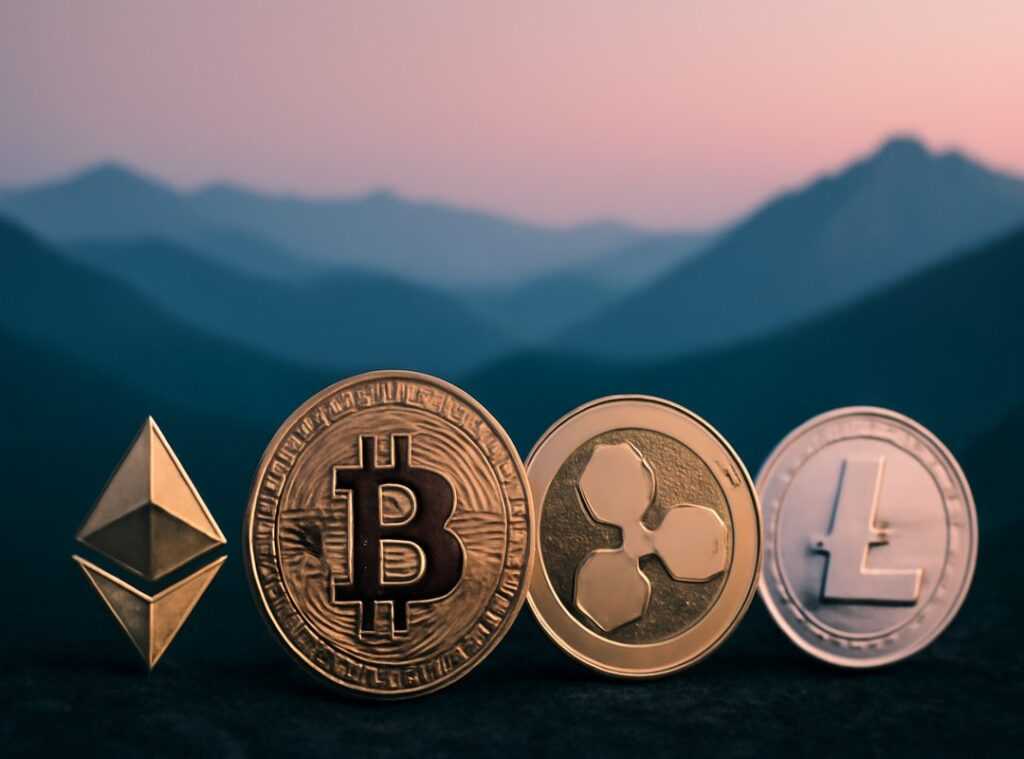
Imagine you’ve just launched a shiny new altcoin. You’re thrilled. But here’s the problem: in a sea of countless projects, how do you get anyone to care?…
Promising Altcoins Early Read More »

If you’re looking to strengthen your crypto security, understand advanced wallet protections, and avoid costly mistakes, this guide is built for you. As digital assets continue to grow in value and complexity, knowing how to implement a multi-signature wallet setup is no longer optional for serious investors—it’s essential. Many token holders struggle with wallet vulnerabilities,
Multi-Signature Wallet Setup Explained for Beginners Read More »

In crypto, you are your own bank—and that means your security is entirely in your hands. Your private keys and seed phrases are the only barrier between your assets and permanent loss. One careless click, a phishing email, or a poorly stored backup can erase years of investment in seconds. This guide goes beyond basic
Best Practices for Protecting Private Keys and Seed Phrases Read More »

Losing access to your cryptocurrency wallet can mean losing your funds forever. A broken phone, forgotten password, or misplaced recovery phrase is often all it takes for assets to become permanently inaccessible. That’s why understanding crypto wallet backup and restore isn’t optional—it’s essential. This guide walks you through a clear, step-by-step process to securely back
How to Back Up and Restore Your Cryptocurrency Wallet Read More »
Crypto investing doesn’t begin with picking the right token—it begins with protecting what you own. This guide moves beyond price speculation to focus on the single most important factor in digital assets: secure storage. The greatest threat isn’t market volatility, but losing access to your funds. We break down hardware vs software wallets security to
Hardware vs Software Wallets: Which Is Safer? Read More »
Crypto moves fast—and if you’re not tracking the right trends, strategies, and security practices, you’re already behind. Whether you’re exploring new token investments, evaluating Asia-focused blockchain protocols, or looking for smarter ways to position your portfolio, the challenge isn’t access to information. It’s knowing what actually matters. This article is designed to cut through the
Step-by-Step Guide to Setting Up a Secure Crypto Wallet Read More »

Crypto adoption has never been easier—but neither has losing everything with a single wrong click. If you’re here, you likely own digital assets or are planning to—and you want to make sure they stay yours. The uncomfortable truth is that most losses don’t happen because blockchain technology fails. They happen because of preventable crypto wallet
Common Wallet Security Mistakes and How to Avoid Them Read More »