
Asia’s commerce landscape is undergoing a quiet but powerful shift. As trade flows expand across borders, traditional payment rails—burdened by high fees, slow settlement times, and limited transparency—are struggling to keep pace. Businesses and individuals alike face costly delays that hinder growth in one of the world’s most dynamic economic regions. This article explores how asia blockchain payment solutions are transforming cross-border transactions, delivering faster settlements, lower costs, and greater security. You’ll gain a clear understanding of the key protocols, real-world applications, and strategic advantages driving blockchain adoption across Asia’s evolving financial ecosystem.
Last year, I tried sending a modest payment from Singapore to a supplier in Vietnam. What should have taken minutes stretched into three days. First came the fees—intermediary banks shaving off conversion spreads and transfer charges that felt invisible until the final amount arrived lighter than expected. For SMEs and migrant workers, those cumulative costs are more than annoying; they’re prohibitive (and often opaque).
Then there’s the T+2 or T+3 settlement cycle—meaning transactions officially settle two or three business days later. That delay strains cash flow and slows regional trade. Meanwhile, systems like SWIFT operate as a black box: limited tracking, unclear deductions, and frequent settlement hiccups, according to the Bank for International Settlements (BIS).
Critics argue legacy rails are “tried and tested.” True. But millions across Southeast Asia remain unbanked, per World Bank data, excluded entirely. That’s why many now explore asia blockchain payment solutions and research leading asia based blockchain protocols to watch (https://ftasiamanagement.com.co/leading-asia-based-blockchain-protocols-to-watch/) as practical alternatives.
The Core Advantages: How Blockchain Redefines Payments
Peer-to-Peer Efficiency
At its core, blockchain enables peer-to-peer value transfer—meaning two parties can transact directly without a bank, card network, or payment processor acting as a middleman. Traditional systems rely on intermediaries to verify and settle payments (and take a cut each time). Blockchain replaces that trust layer with code. The result? Faster transactions and fewer toll booths along the way. Some argue intermediaries add safety, but cryptographic verification now performs that role—often more transparently.
Cryptographic Security
A blockchain is an immutable ledger, a record that cannot be altered without network-wide consensus. Once a transaction is confirmed, reversing it is nearly impossible. This drastically reduces fraud, chargebacks, and manipulation. While critics point to hacks, most breaches occur at the wallet or exchange level—not the blockchain itself (an important distinction).
Near-Instant Settlement
Traditional cross-border payments can take days to settle. Blockchain networks confirm transactions in seconds or minutes, 24/7. No banking hours. No weekend delays. It’s like streaming versus mailing DVDs.
Radical Cost Reduction
On efficient networks, fees can be a fraction of a cent—compared to 2–3% credit card charges.
- Lower fees unlock microtransactions and global access.
Speculation: As asia blockchain payment solutions mature, mainstream retailers may adopt crypto rails for everyday payments within this decade.
Dominant Protocols and Platforms in the Asian Market
Stablecoins as a Medium of Exchange
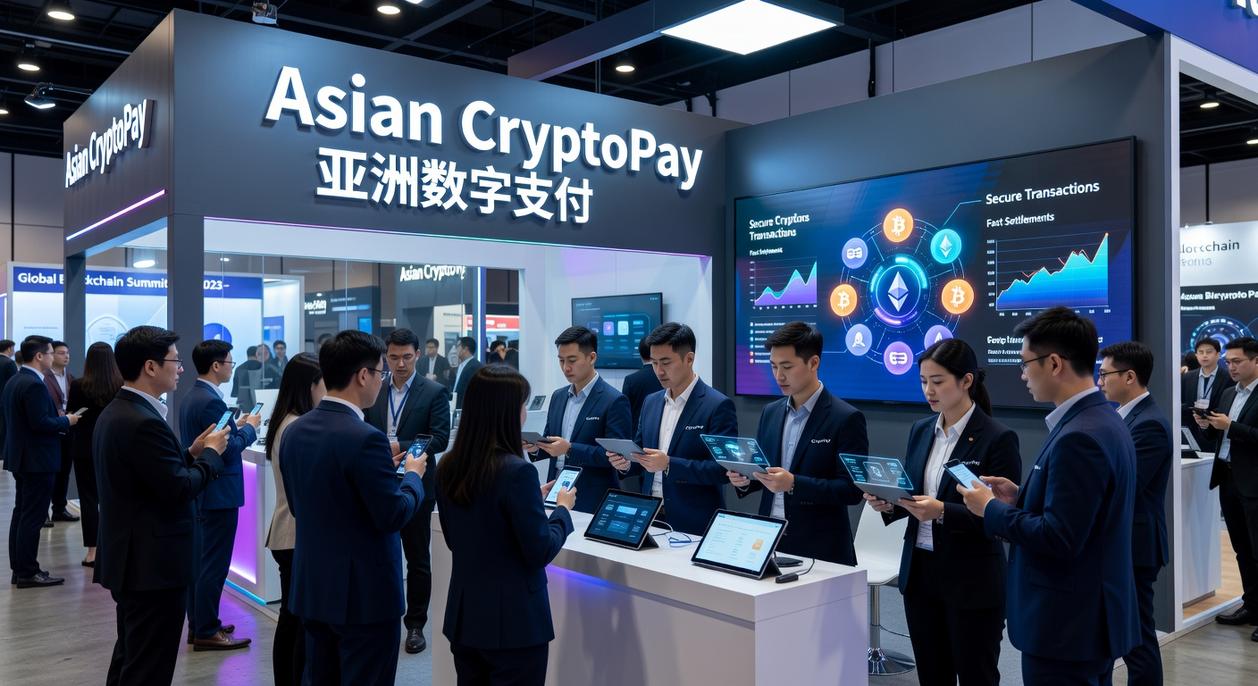
In many Asian economies, currency volatility and capital controls make cross-border transactions slow and expensive. That’s where stablecoins—digital assets pegged to fiat currencies like the U.S. dollar—step in. USDT and USDC, particularly on high-throughput chains like Tron and Solana, are widely used for remittances and B2B trade. High-throughput chains process thousands of transactions per second at low cost (think seconds instead of days, and cents instead of wire fees).
The benefit? Faster settlement, predictable pricing, and fewer intermediaries. According to Chainalysis (2023), stablecoins account for the majority of crypto transaction volume in several Asian markets. Critics argue stablecoins face regulatory uncertainty. Fair point. But in practice, businesses prioritize efficiency—and stablecoins deliver measurable savings in time and fees.
Cross-Border Liquidity Networks
Protocols like Ripple (XRP) and Stellar (XLM) are purpose-built for cross-border liquidity—meaning they help institutions move money internationally without pre-funding accounts abroad. Partnerships in Japan, South Korea, and Singapore demonstrate growing institutional trust. For companies, this means improved cash flow and reduced foreign exchange friction.
Some skeptics say banks could modernize internally without blockchain. Yet distributed ledgers offer real-time reconciliation and transparency—advantages traditional rails struggle to match. That’s why asia blockchain payment solutions continue gaining traction.
The Rise of Central Bank Digital Currencies (CBDCs)
China’s Digital Yuan (e-CNY) represents a state-backed digital currency designed for retail and cross-border trade. A CBDC is government-issued digital money with legal tender status. The upside for regional trade? Programmable payments and reduced settlement risk.
While privacy concerns exist, other Asian nations are piloting CBDCs to modernize infrastructure—signaling long-term transformation investors shouldn’t ignore.
Blockchain Payments in Action: Real-World Asian Use Cases
Across Asia, blockchain payments aren’t theoretical—they’re practical infrastructure.
Empowering Migrant Workers
Filipino and Vietnamese workers in Singapore and South Korea increasingly use crypto-based remittance apps to send wages home. Traditional remittance corridors can charge 5–7% per transfer (World Bank, 2023). By contrast, stablecoin transfers—digital tokens pegged to fiat currencies—often settle in minutes with significantly lower fees. Critics argue crypto volatility makes this risky. That’s true for speculative tokens. But stablecoins reduce price swings while preserving speed. (Think less rollercoaster, more MRT commute.)
Pro tip: Always confirm the receiving wallet supports the same network to avoid costly transfer errors.
Streamlining Supply Chain Finance
A Singaporean electronics exporter and a Thai importer can use a blockchain-based smart contract—self-executing code that triggers payments automatically—once shipment data is verified. This unlocks working capital faster and reduces reliance on letters of credit. Skeptics say banks already do this. Yes, but automation cuts reconciliation delays and paperwork friction competitors rarely quantify.
Fueling the Creator Economy
In Indonesia and Malaysia, gamers and indie creators use micropayments—small-value digital transactions—to earn directly from global fans. Instead of losing 30% to platforms, blockchain rails allow near-instant payouts. Asia blockchain payment solutions uniquely combine mobile-first adoption with cross-border liquidity—an edge Western markets often overlook.
Preparing for the New Era of Asian Finance
Asia’s financial landscape is no longer waiting for disruption—it’s living it. Blockchain has moved from theory to real-world application, directly addressing the region’s long-standing payment inefficiencies. If you’ve been looking for clarity on where finance is heading, the answer is here: asia blockchain payment solutions are redefining speed, security, and cost-efficiency across borders.
The risk isn’t in change—it’s in falling behind. Businesses and investors who ignore this shift may lose their competitive edge.
Start now. Secure your digital wallet, track emerging tokens and protocols, and position yourself ahead of the curve. The future of Asian commerce belongs to those who act early.