

Reading about yet another crypto exchange collapse and watching billions vanish is terrifying, isn’t it? You might think keeping your crypto on an exchange is convenient, but here’s the truth: you don’t actually control your assets. They do.
This is why getting serious about cold storage crypto is key.
In this guide, I’ll cut through the noise and provide you with a battle-tested system for securely storing your cryptocurrency. These aren’t just theories. They’re principles used by long-term investors safeguarding portfolios worth six, seven, even eight figures.
I get it, diving into crypto security can feel overwhelming. But trust me, by the end of this article, you’ll walk away with a clear, actionable plan to secure your digital assets.
Why should you trust this guide? Because it’s grounded in real-world success, not hypothetical scenarios. Ready to take control and protect your investments with unshakable confidence?
Let’s do this.
The Golden Rule: Why ‘Not Your Keys, Not Your Coins’ Actually
Private keys are the master key to your bank vault in the crypto world. Not just any password. They’re the real deal.
You hold the keys, you hold the power. Simple as that. Think of self-custody like having the key to your own vault.
No middlemen. No headaches. But custodial storage?
That’s letting an exchange hold your key, maybe lose it, and maybe lock you out.
Too trusting of custodial wallets? You’re at risk. Ever heard of those exchange hacks?
Funds vanish. Gone. Or how about the government stepping in, freezing accounts, taking control?
Don’t even get me started on company bankruptcies. Your assets tied up in legal battles for years. It’s a mess.
Here’s the bottom line: self-custody is your ticket to true ownership. It’s why crypto exists. To be your own bank.
Achieve financial freedom, not reliance on some third party. Want to keep your assets safe? You might want to look into securing wallet against hacks.
Cold storage crypto? It’s not just a term. It’s a necessity.
Your coins, your keys, your control. Don’t let someone else hold your future. That’s the magic.
That’s the power.
Finding Your Security Sweet Spot: Hot, Warm, and Cold Storage
Let’s talk about the security spectrum. It’s all about how connected to the internet your crypto wallet is. There’s no ultimate wallet.
Just the right tool for your specific needs. Think of it like choosing between a scooter, a sedan, or a tank. Which one works best depends on your journey.
Hot wallets are like the cash you keep in your pocket. They’re software wallets constantly connected to the internet. Apps like MetaMask or Phantom are standard examples.
They’re perfect for everyday transactions, DeFi, and NFT minting. But let’s be honest: you wouldn’t stash your life’s savings in a wallet that’s always online, would you?
Then there’s the warm wallet. This is your secure workstation. It’s a software wallet on a dedicated, ultra-secure computer.
You use this computer for crypto transactions only. No emails, no Facebook, nothing else. It’s for traders who want more security than a hot wallet provides.
It’s the middle ground, like a safe deposit box only you have access to during bank hours.
Now, cold storage is your digital fortress. No internet connection whatsoever. Hardware wallets and paper wallets fall into this category.
But be cautious with paper wallets (they’re) not foolproof. This is where you put your most valuable assets, akin to a home safe or bank vault. If you want real peace of mind, learn more about cold storage crypto.
So, what’s your next move? It depends on what you value more: convenience or security. For daily use, a hot wallet might be enough.
For serious traders, a warm wallet offers a bit more protection. And for long-term holdings, cold storage is the gold standard. Each has its place and purpose in the vast world of crypto.
Choose wisely, my friend.
Hardware Wallets: Your Personal Crypto Fortress
If you’re serious about cold storage crypto, a hardware wallet is a must. Let me break it down. It’s a specialized device that signs transactions offline, keeping your private keys safe from the internet’s nasties.
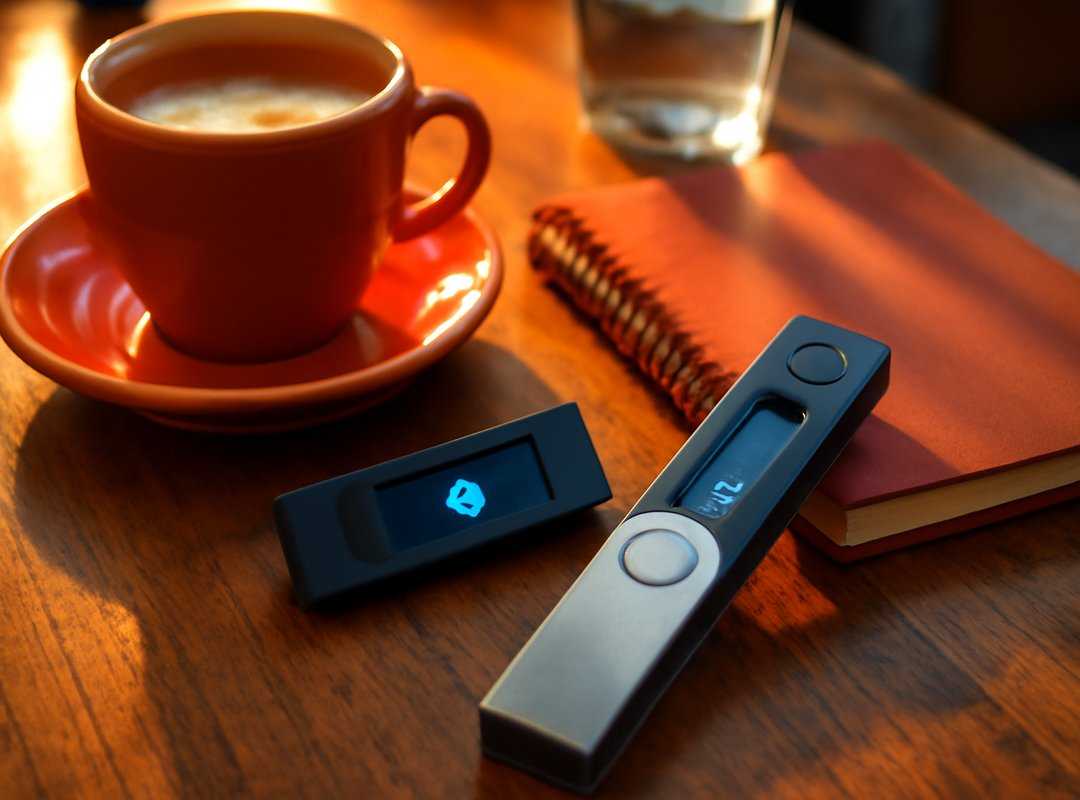
Malware, viruses. None of that can touch your keys since they never leave the device.
But not all wallets are created equal. You need to look for features like broad coin/token support and a certified Secure Element chip. Why?
It protects against physical tampering. A built-in screen is also key to verify transaction details in real-time. You don’t want surprises, right?
Now, let’s talk models. Ledger and Trezor are the big names. Ledger is great for beginners due to its user-friendly interface.
Trezor, on the other hand, caters to multi-chain users with its extensive range of supported coins. You can’t just look at specs though. Consider your needs before picking one.
Setting up correctly is key. Always buy directly from the official manufacturer to avoid counterfeit risks. Check the packaging for tampering (seriously,) do it.
The seed phrase? It’s the master key to your kingdom. Treat it like gold.
If you want to dive deeper into setting up a secure wallet, check out this guide.
In the end, hardware wallets are about peace of mind. They keep your crypto safe and sound, away from prying eyes. Trust me, that’s worth every penny.
Your Biggest Threat is You: Mastering Crypto OpSec
Let’s talk about a serious flaw in crypto security: you. Operational Security (OpSec) isn’t just technical gibberish (it’s) the human element. The fanciest hardware wallet won’t save you if your habits are sloppy.
Forgetting this? You’re a sitting duck.
Seed Phrase Supremacy. If you mess this up, it’s game over. Think of the seed phrase as your crypto’s lifeline. It’s that key.
The biggest rule? Never store it digitally. No photos, no cloud storage, and absolutely no password managers.
Keep it physical. Get creative: write it down, use steel plates, hide it across multiple places. But make them secure.
If one spot burns down, you’ve got backups.
Phishing? It’s everywhere. Fake support DMs and sketchy links in Discord (these) are common traps.
Ignore them. Act skeptical online. People pretending to be from exchanges might email you.
They’ll scream “urgent” and lure you in. Never type your seed phrase anywhere online. Ever.
If someone’s asking for it, they’re scamming you.
Now, let’s get to transaction hygiene. Always send a small test transaction first. It’s extra work but saves headaches.
Bookmark official sites. It’s easy to be tricked into visiting a fake one. Those fake sites?
They look convincing. Check every character of a wallet address before hitting send. One mistake and your crypto vanishes.
Cold storage crypto is your ally if you play it smart. Keep your head. It’s not just tech (it’s) about staying sharp.
Ask yourself: am I protecting my assets like a pro?
Secure Your Crypto Future Now
Leaving your crypto on an exchange? That’s just asking for trouble. You don’t want your entire investment sitting in someone else’s hands.
You’ve found the solution here with a clear, tiered plan for cold storage crypto. This works because it marries the right tools (think hardware wallets) with solid habits (strong OpSec). A multi-layered defense at its best.
So, what’s stopping you? Stop waiting for the next disaster. Research a reputable hardware wallet today.
Take control of your assets, secure your financial future. Don’t let a lack of action be the weak link in your crypto security.