If you’re still looking West for the next big crypto breakthrough, you’re already behind.
While most headlines focus on U.S. ETFs and European regulation, a quiet shift is happening across Asia. New frameworks, government-backed sandboxes, and mobile-first user bases are accelerating innovation in ways the broader market is underestimating. The result? asian blockchain protocols 2026 are evolving faster—and differently—than many investors realize.
In this article, we cut through speculation and examine the real drivers behind Asia’s blockchain renaissance. You’ll discover the three dominant protocol trends emerging across key hubs, how they’re solving scalability and real-world integration challenges, and why they could reshape the digital asset landscape in 2026.
Protocol Trend #2: Real-World Asset (RWA) Tokenization at Enterprise Scale
For years, much of crypto chased yield farming and token incentives—what we call crypto-native yield (returns generated entirely within blockchain ecosystems). Meanwhile, a quieter shift was happening: Asian builders focused on tokenizing real-world assets (RWAs)—tangible or traditional financial assets like real estate, trade receivables, and bonds—on-chain.
At first, I underestimated this trend. I assumed institutions wouldn’t touch public blockchain infrastructure at scale. That was a mistake. What I missed was how deeply compliance was being embedded from day one.
Compliance by Design, Not as an Afterthought
Unlike early DeFi protocols that treated regulation like an annoying side quest (remember the “code is law” era?), these platforms built:
- KYC/AML modules (Know Your Customer / Anti-Money Laundering checks)
- On-chain identity verification
- Automated regulatory reporting tools
This design makes them viable for banks and asset managers who cannot afford reputational risk. According to the BIS (2023), tokenized bond pilots reduced settlement times and operational costs in controlled environments—exactly the efficiency institutions crave.
Some critics argue that heavy compliance “kills decentralization.” That’s fair. But if the goal is unlocking trillions in off-chain assets, institutional rails are unavoidable.
Key Geographies and Use Cases
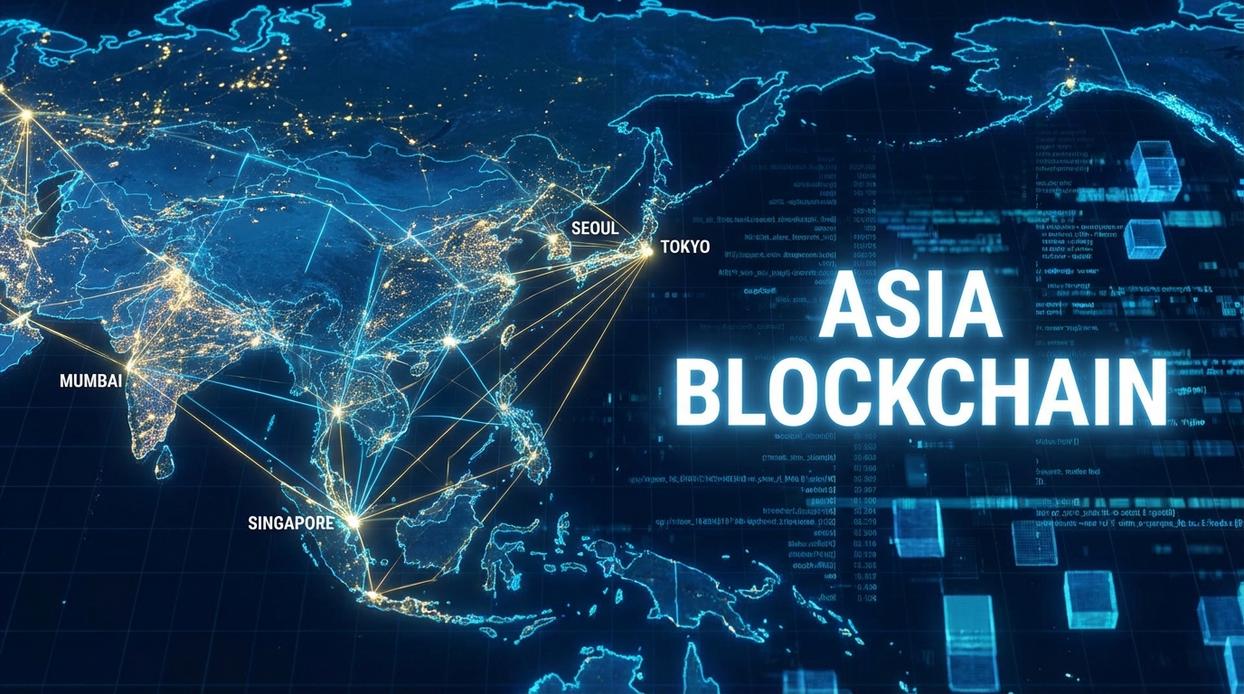
Across asian blockchain protocols 2026 conversations, three hubs stand out:
- Singapore: Trade finance tokenization, reducing paperwork in cross-border supply chains (a $9T global market per WTO estimates).
- Japan: Tokenized securities backed by clear regulatory guidance.
- South Korea: Fractionalized real estate ownership on-chain, lowering retail entry barriers.
If you’re skeptical, consider this: BlackRock’s tokenized fund launch in 2024 signaled that TradFi is experimenting seriously (SEC filings, 2024).
For deeper context, see how regulatory frameworks in asia influence blockchain innovation.
Lesson learned: The future wasn’t louder DeFi. It was quieter infrastructure built for institutions.
A Practical Guide to Securely Engaging with New Protocols
The Investor’s Checklist for 2026
First, verify the audit. In 2024 alone, over $1.8 billion was lost to crypto hacks, according to Chainalysis. Many exploited unaudited smart contracts—self-executing blockchain code that automatically enforces rules. So before interacting with any new protocol, confirm that reputable security firms have reviewed its code. Additionally, check for transparent documentation and an active developer community (silent Discords are rarely a good sign).
Next, prioritize wallet security. Use a hardware wallet—a physical device that stores private keys offline—for testing new platforms. Never connect your primary wallet. Instead, isolate risk by creating separate wallets for each experiment. Pro tip: label wallets clearly to avoid costly mix-ups.
Finally, examine tokenomics, meaning how a token is structured, distributed, and incentivized. Sustainable models reward real usage, not hype cycles. For example, several asian blockchain protocols 2026 emphasize utility-driven staking over speculative emissions. Critics argue audits and token models don’t guarantee safety—and they’re right. However, layered precautions dramatically reduce avoidable risk (think seatbelt, not invincibility cloak).
The Future of Blockchain is Being Coded in the East
You came here to understand where blockchain is actually heading—and why Asia is setting the pace.
We’ve explored the defining forces behind the next wave: SocialFi ecosystems built around real communities, RWA protocols bridging digital assets with tangible value, and gaming infrastructure designed for massive, everyday adoption. These aren’t abstract ideas. They’re practical frameworks shaping asian blockchain protocols 2026.
The real challenge has always been knowing where to look. Too many investors stay locked into Western narratives and miss the user-centric, regulation-aware innovation emerging across Asia. By widening your lens, you now see how these ecosystems prioritize scalability, compliance, and seamless integration into daily life.
The protocols that win will be invisible in the best way—embedded into finance, gaming, identity, and commerce for billions of users. And the blueprints are already being drafted in the East.
If you don’t want to miss the next breakout cycle, start tracking these Asian ecosystems now. Study their token models. Review their infrastructure plays. Position early.
The next generation of blockchain leaders won’t wait for global attention. Act now, deepen your research, and secure your strategy before the market catches up.