
The Asian Regulatory Spectrum: From Hubs to Hardliners
Asia is not a monolith—economically, politically, or digitally. That’s especially true when it comes to asia blockchain regulations. Some governments treat crypto like the next fintech revolution; others treat it like a financial contagion. And to be fair, both sides have their reasons.
1. Pro-Innovation Hubs
Singapore and Hong Kong lead with clear licensing frameworks and defined compliance paths. Regulators emphasize transparency, capital requirements, and consumer safeguards while actively courting global firms. Singapore’s Payment Services Act, for example, provides structured oversight (Monetary Authority of Singapore). Critics argue strict licensing can still limit startups. That’s partly true—compliance isn’t cheap—but clarity reduces long-term uncertainty.
2. Cautiously Regulated Markets
Japan and South Korea allow crypto trading under stringent AML (Anti-Money Laundering) and investor protection rules. After Japan’s Mt. Gox collapse, tighter exchange oversight became non-negotiable. Some say this stifles innovation. Yet stronger guardrails can build trust (and trust attracts capital).
3. Strictly Controlled States
China bans crypto trading while investing heavily in state-backed blockchain and its digital yuan. Whether this dual strategy will outperform open-market models remains debated. What’s clear—for now—is that control, not decentralization, defines its approach.
Deep Dive: The Established Tech Leaders – Japan and South Korea
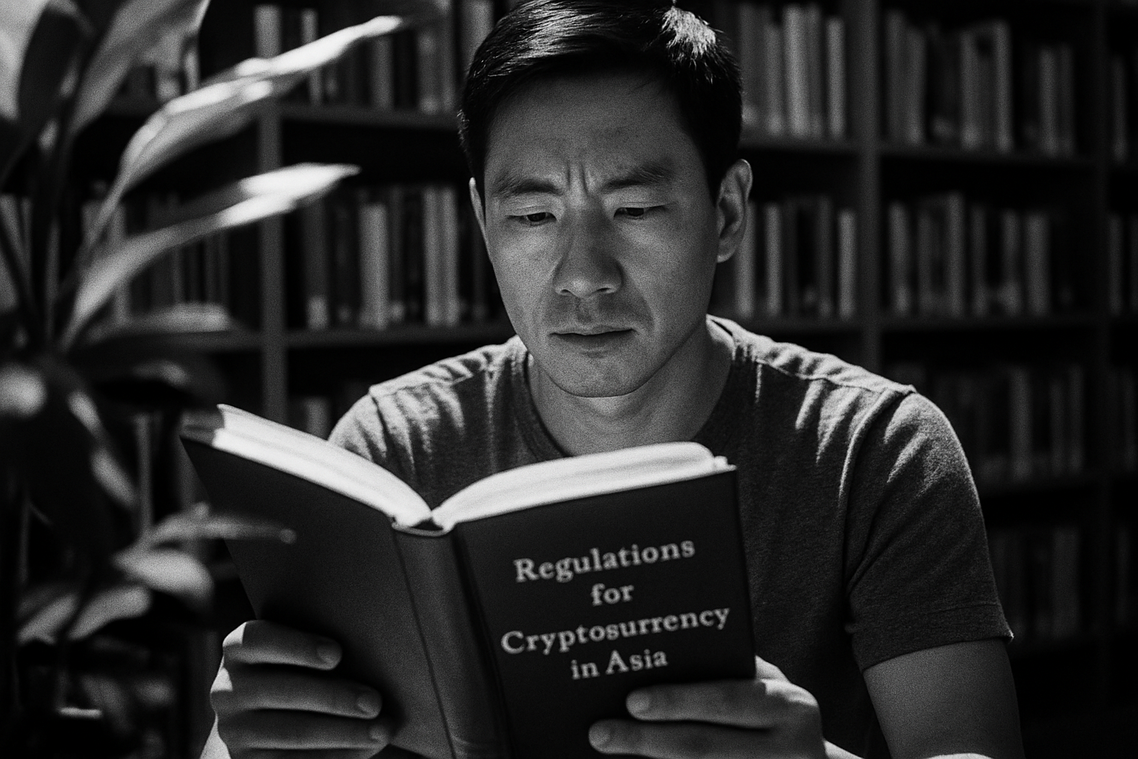
Japan doesn’t just “allow” crypto—it regulates it early and aggressively. After the Mt. Gox collapse, the Financial Services Agency (FSA) moved fast, becoming one of the first major regulators to license crypto exchanges under a formal framework (Japan Payment Services Act, amended 2017). Critics argue that Japan’s strict asset listing process slows innovation. They’re not wrong—it can take months for a token to be approved. But that friction has reduced the kind of reckless listings that plagued other markets (remember the ICO mania?).
Recent legislation has tightened rules around stablecoins, restricting issuance to licensed banks and trust companies (Revised Payment Services Act, 2022). Some say this limits competition. I’d argue it boosts credibility.
South Korea takes a different path: consumer protection first, growth second.
- Mandatory real-name bank accounts for trading
- Full implementation of the FATF “Travel Rule”
- Aggressive oversight after the Terra-Luna collapse (FATF, 2019 guidance)
Many traders complain this feels restrictive. And yes, it raises barriers. But it also filters out anonymous speculation.
Ongoing debates around crypto taxation show Korea isn’t done refining policy. If you’re comparing layer 1 protocols developed in south korea japan and singapore, regulatory posture matters more than hype.
In the broader conversation about asia blockchain regulations, these two aren’t cautious—they’re calculated.
A Region of Nuance and Opportunity
You came here to make sense of asia blockchain regulations—and now you can see the reality clearly. There is no single playbook for success across this region.
A one-size-fits-all strategy will expose you to unnecessary risk. What works in Singapore under a defined licensing regime could fail instantly in China’s restrictive environment. Each market moves at its own regulatory pace.
The advantage belongs to those who stay hyper-local. By tracking country-specific rules, you reduce compliance risk and uncover real, sustainable opportunities.
Regulations across Asia evolve fast. If you’re planning token launches, investing in regional projects, or building new protocols, make regulatory monitoring part of your strategy. Stay informed, adapt quickly, and position yourself ahead of the next policy shift.