
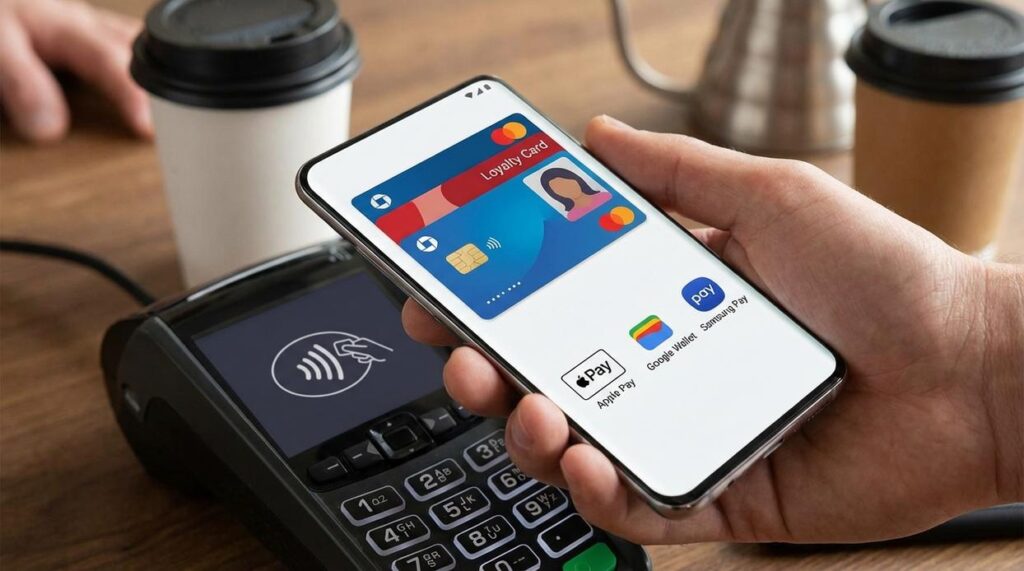
The Core Concept: Understanding Hot vs. Cold Storage
At its core, the hardware vs software crypto wallets debate is really about hot vs. cold storage—and knowing the difference can save you from costly mistakes.
Hot wallets (software wallets) are connected to the internet. These include mobile apps, desktop programs, and web-based wallets. Because they’re online, they’re incredibly convenient for daily transactions, trading, or interacting with decentralized apps. (Think of them like your everyday checking account.) The trade-off? Being online makes them more exposed to hacks, phishing, and malware attacks. According to Chainalysis, billions in crypto have been lost to exploits targeting online systems.
Cold wallets (hardware wallets) store your private keys offline on a physical device. This “air-gap” means the keys never touch the internet, dramatically reducing attack risk. It’s more like a vault than a wallet.
The fundamental trade-off is simple:
- Hot wallets = convenience
- Cold wallets = security
If you’re holding long-term, cold storage is often the safer bet. If you transact frequently, hot wallets offer speed and flexibility.
Deep Dive: Software Wallets (The Digital Pocket)
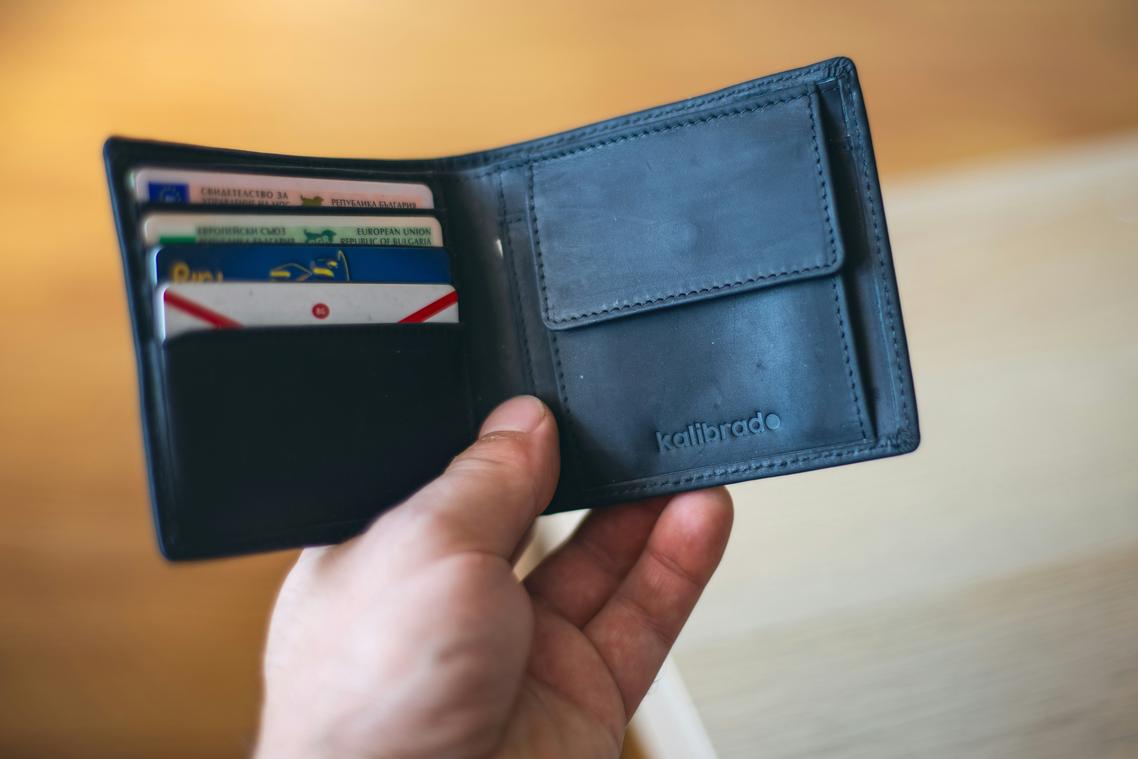
Think of a software wallet as your crypto “digital pocket.” It lives on an internet-connected device and lets you send, receive, and manage assets quickly.
Types of Software Wallets
There are three main categories:
- Mobile wallets – Apps on your phone (great for on-the-go payments and quick trades).
- Desktop wallets – Installed programs offering more control and advanced settings.
- Web or browser extension wallets – Tools like MetaMask that connect directly to decentralized apps (dApps) through your browser.
When comparing hardware vs software crypto wallets, software wins on convenience—but not always on security.
Functionality & Use Cases
Software wallets are ideal for:
- Frequent trading (fast access to exchanges)
- DeFi interactions like staking or liquidity pools
- NFT browsing and minting
- Managing smaller “spending” balances
If hardware wallets are your vault, software wallets are your checking account.
Security Analysis
Pros:
- Easy backup via a seed phrase (a 12–24 word recovery key).
- Password and biometric protection.
- Many undergo independent security audits (CertiK, Trail of Bits).
Cons:
- Vulnerable to malware, phishing, and keyloggers.
- Security depends on your device and internet connection—the biggest point of failure.
Pro tip: Never store your seed phrase digitally. Write it down and keep it offline.
A Purpose-Built Strategy for Your Assets
Choosing between hardware vs software crypto wallets doesn’t have to feel complicated anymore.
You now have a clear framework for comparing them on what truly matters: security and functionality. You understand how each option protects your assets, how accessible they are for transactions, and where they fit within your broader crypto strategy.
The real pain point was never about finding the “best” wallet overall. It was about finding the right tool for your specific needs. Long-term holdings require maximum protection. Daily transactions demand speed and convenience. Trying to force one solution to do both can leave you exposed—or frustrated.
The smart move is simple: use a software wallet for everyday activity and a hardware wallet for long-term storage. That combination gives you flexibility without compromising security.
Now it’s your turn. Assess your crypto habits and the size of your investments today. Choose the wallet structure that matches your personal security needs—and take control of your digital assets with confidence.