
In crypto, you are your own bank—and that means your security is entirely in your hands. Your private keys and seed phrases are the only barrier between your assets and permanent loss. One careless click, a phishing email, or a poorly stored backup can erase years of investment in seconds. This guide goes beyond basic tips to deliver a comprehensive, multi-layered strategy for protecting private keys and seed phrases against both digital and physical threats. You’ll gain actionable, expert-level practices designed to secure your holdings with confidence—so your assets remain yours, and only yours.
The Crown Jewels: Why Keys and Seed Phrases Are Irreplaceable
Back in 2019, when crypto adoption surged, thousands learned the hard way that access hinges on one thing: the private key. A private key is the single cryptographic secret that authorizes spending from your wallet. Think of it as the master key to your digital vault (lose it, and the vault is no longer yours).
A seed phrase, sometimes called a mnemonic phrase, is the human-readable backup of all your wallet’s private keys. It’s the blueprint that restores everything on a new device—usually 12 or 24 words in a specific order.
Here’s the critical relationship:
- The seed phrase generates your private keys.
- Your private keys control your funds.
- Anyone with either can take everything.
That’s why protecting private keys and seed phrases is non‑negotiable.
The golden rule remains: Not your keys, not your crypto. If a third party holds them, you’re trusting their security—not yours.
The Digital Battlefield: Defending Against Online Threats
The cardinal sin of crypto security is simple: never store your seed phrase or private keys digitally. That means no text files, no Google Drive or Dropbox uploads, no password managers, and absolutely no photos in your camera roll. According to a 2023 Chainalysis report, over $1.7 billion in crypto was stolen through hacks, much of it tied to compromised credentials. Cloud accounts get breached. Phones get infected. Password managers, while encrypted, become single points of failure (and hackers love a single door instead of twelve windows).
If it’s online, it’s attackable.
Phishing remains the most common tactic. Fraudulent emails, fake support DMs, and bogus airdrop sites trick users into typing in their seed phrase. The FBI’s Internet Crime Complaint Center reported billions lost annually to phishing-related crypto scams. Watch for:
- Urgency (“Act now or lose access!”)
- Fake support staff requesting credentials
- Unsolicited links to “claim” rewards
Legitimate teams will never ask for protecting private keys and seed phrases.
Malware adds another layer of risk. Keyloggers record keystrokes. Clipboard hijackers swap wallet addresses mid-transaction. In 2022, RedLine malware campaigns specifically targeted browser-stored crypto data. You won’t see it happen (that’s the point).
Best practices? Use a dedicated device for transactions. Verify wallet addresses character by character. And use a hardware wallet to keep keys offline. Pro tip: confirm addresses on the hardware screen itself, not just your computer display. In crypto, paranoia isn’t irrational—it’s preparation.
Beyond the Screen: Securing Your Seed Phrase in the Real World
From Paper to Steel
Writing your seed phrase on paper is better than storing it in a notes app (please don’t), but paper has enemies: fire, water, mold, fading ink, and time. A house fire can exceed 1,100°F (593°C), enough to reduce paper to ash in minutes, according to the National Fire Protection Association. Floods, humidity, or even a spilled coffee can blur ink beyond recognition. And ink degradation is real—many standard ballpoint inks fade over years.
Paper is a step forward. It’s just not the finish line.
The Metal Solution
Stamping or etching your seed phrase into stainless steel or titanium dramatically increases durability. These metals withstand extreme heat, corrosion, and physical impact. This isn’t paranoia—it’s risk management. Steel backup plates can survive temperatures that destroy paper wallets, and they’re resistant to water damage.
Speculation: As hardware wallets become mainstream, metal backups may become the default standard rather than a niche precaution—much like two-factor authentication did a decade ago.
Strategic Storage
Where you store it matters as much as what it’s stored on.
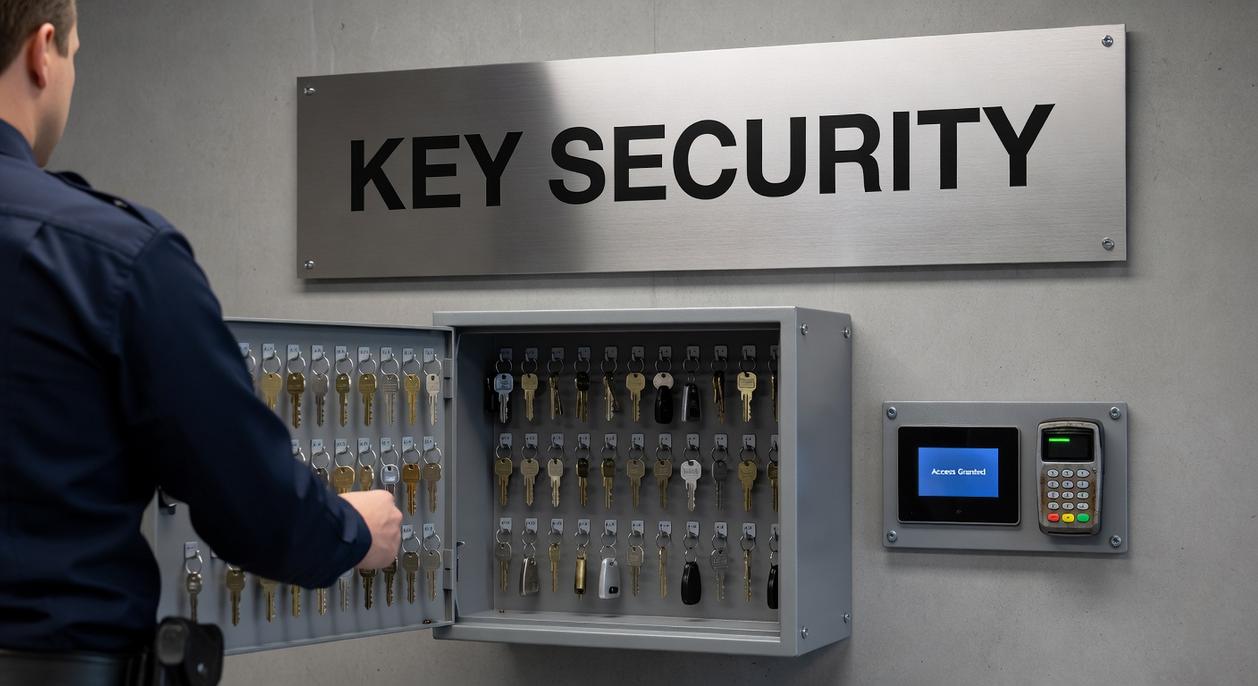
- Home safes: Immediate access, but vulnerable to burglary if poorly hidden.
- Safe deposit boxes: Strong physical security, but subject to banking access rules.
- Geographically distributed locations: Reduces single-point failure risk.
Avoid obvious hiding spots (freezer, mattress, desk drawer—yes, thieves check there).
For layered security, explore a multi signature wallet setup explained for beginners approach.
The Redundancy Dilemma
You need a backup in a separate secure location. But every extra copy increases exposure. Think of it as minimizing your “attack surface.” Two well-secured copies are often safer than five loosely guarded ones.
Ultimately, protecting private keys and seed phrases is about balancing durability, accessibility, and discretion.
Fortress-Grade Security: Advanced Protection Strategies
Multisignature wallets are like a vault with several keys held by different people. In a 2-of-3 setup, any two keys must turn together, so one stolen key is useless. This removes the single point of failure that plagues standard wallets.
Shamir’s Secret Sharing works more like tearing a treasure map into unique shards. With a 3-of-5 scheme, any three pieces rebuild the whole, but two reveal nothing. It balances redundancy and secrecy, strengthening protecting private keys and seed phrases without centralizing risk.
Gold-standard security means layering defenses:
- Multisig for shared control in family trusts or business treasuries.
- SSS for geographic distribution across secure locations.
Some argue complexity invites mistakes, and they’re right if procedures are sloppy. Yet with careful planning, these methods act like a fortress drawbridge— inconvenient to raise, nearly impossible to breach.
Pro tip: document recovery steps clearly for heirs or partners involved.
Building a Lifelong Habit of Crypto Security
You set out to understand how to truly secure your digital assets—and now you have a clear roadmap for protecting private keys and seed phrases, the single most critical responsibility in crypto ownership. Because transactions are irreversible, one mistake can mean permanent loss. That’s why security can’t be reactive. It must be deliberate, consistent, and built into your routine.
A strong plan combines digital vigilance—never storing sensitive data online—with durable metal backups and smart physical storage strategies.
Use this guide as your personal checklist today. Audit your setup, close any gaps, and strengthen your defenses now—because a small investment of time today prevents a catastrophic loss tomorrow.