

Historical Impact: How Past Halvings Affected Bitcoin’s Price
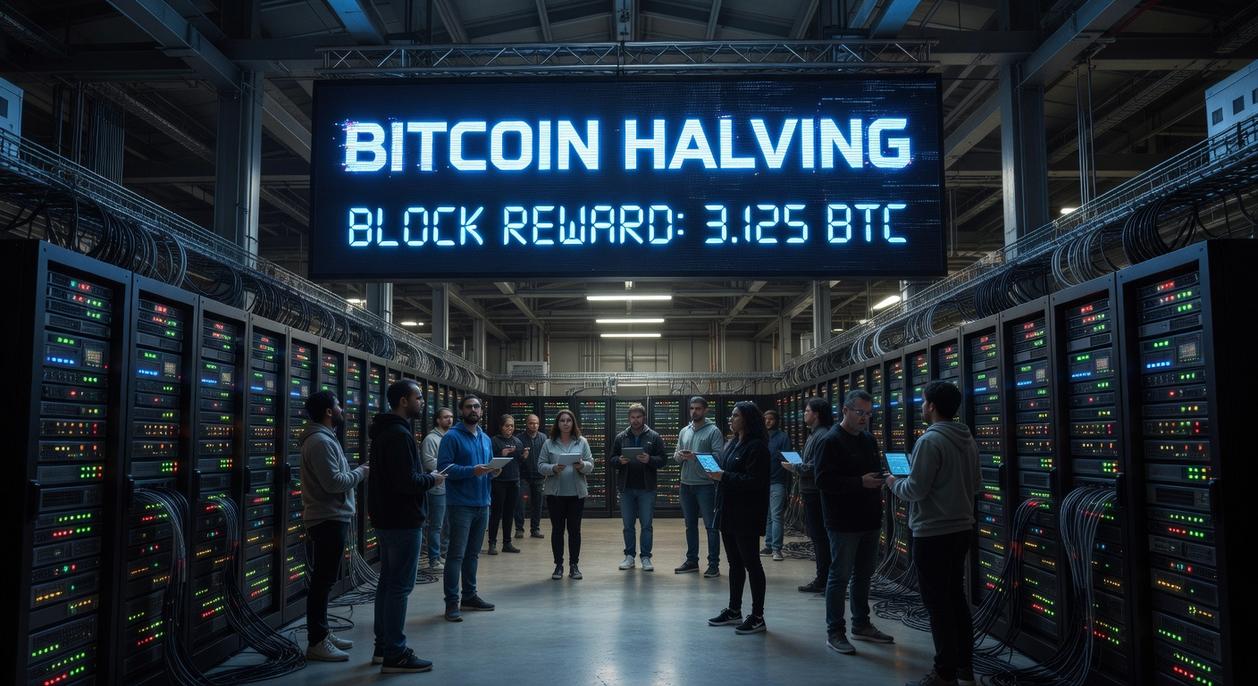
First, let’s ground this in basic economics. A halving creates a supply shock—meaning the rate of new Bitcoin entering circulation is cut in half. When supply growth slows and demand stays steady (or rises), prices tend to increase. That’s not hype; it’s textbook supply and demand (Investopedia).
Looking back, the 2012, 2016, and 2020 halvings were each followed by major bull runs within 12–18 months (Blockchain.com data). However, some argue the effect is “priced in” ahead of time. That’s fair. Markets are forward-looking. Still, reduced issuance combined with growing awareness has historically fueled momentum.
The event also amplifies media coverage—the narrative effect—which attracts new buyers (think of it as crypto’s Super Bowl moment).
So what should you do? Start with a clear strategy. Review bitcoin halving explained resources, avoid emotional trades, and consider gradual accumulation rather than chasing spikes.
Most importantly, remember: past performance does not guarantee future results. Markets evolve.
What the Halving Means for Investors and Miners
If you’ve ever searched bitcoin halving explained, you’ve likely heard it framed as a guaranteed catalyst for price growth. The reality? It’s more nuanced.
For Investors: The halving cuts the block reward (the new Bitcoin issued to miners) in half roughly every four years, reinforcing Bitcoin’s fixed supply of 21 million coins. That predictable monetary policy is rare in finance. Some argue the impact is already “priced in.” They might be right. Markets are forward-looking, and past performance doesn’t guarantee future cycles.
For Miners: Profit margins tighten overnight. Higher energy costs and outdated hardware can push operators out, leading to consolidation. Still, it’s uncertain how quickly efficiency gains offset reduced rewards.
- Ecosystem Impact: Bitcoin’s cycle often influences altcoins, but correlation isn’t certainty.