
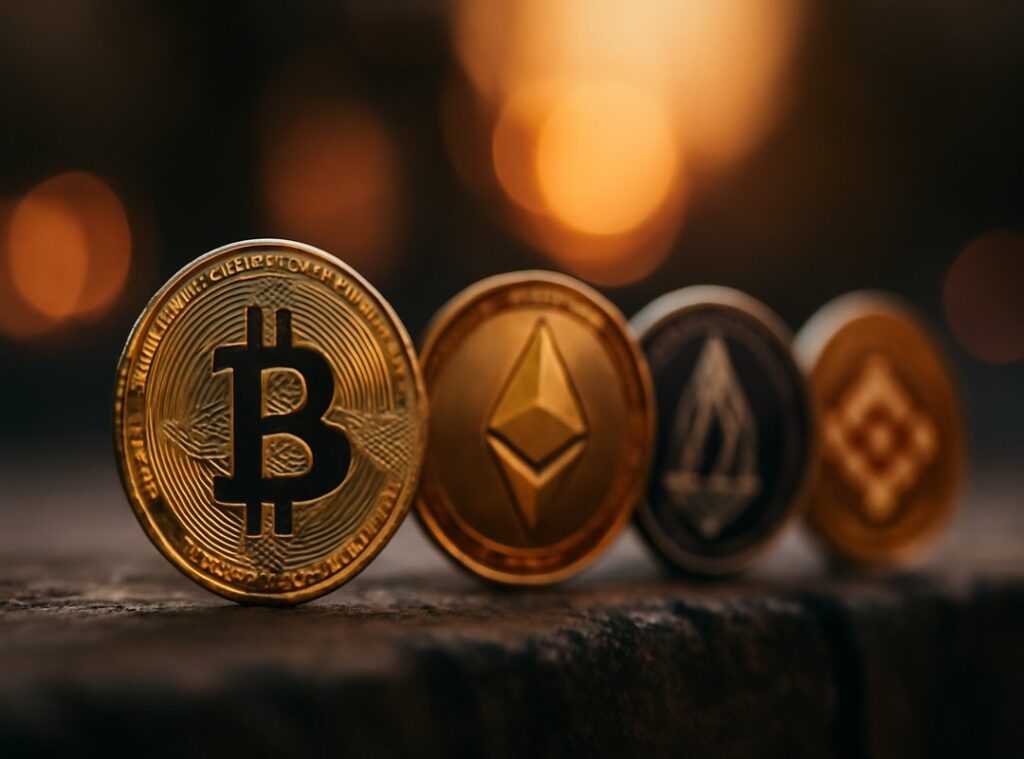
The crypto world is a mess of tokens. Everyone’s talking about them, but let’s be real, most people lump them all together. Not smart.
It’s not just naive; it’s a missed opportunity. Blockchain utility tokens are more than just digital currency. They’re a game-changer. So, what are these functional tokens, and why should you care?
I’ve spent years diving into tokenomics, tracking new blockchain protocols, especially those that are reshaping industries. Trust me, understanding these tokens is key. You want to know how they work and why they matter, right?
I’ll break it down for you.
This isn’t just another article. It’s a definitive guide to blockchain-based functional tokens. You’ll get a clear, forward-thinking system.
You’ll learn to evaluate these specialized digital assets effectively. By the end, you won’t just understand functional tokens. You’ll know how to use their potential.
This is your chance to see digital assets in a new light.
Defining the New Class: What Separates Functional Tokens?
Functional tokens (they’re) like the scalpel in your blockchain toolkit. Precise, purpose-driven, designed for a specific task. So what exactly sets these apart from the usual suspects like utility or security tokens?
Let’s talk utility tokens first. They’re the lifeblood, the “network fuel,” if you will. Think of them as your go-to for accessing services or paying transaction fees.
Everyday stuff. Imagine buying gas for your car. It’s key, but nothing fancy.
Now, security tokens are a different beast. They’re basically digital stand-ins for traditional assets like stocks or bonds. Locked tight by regulations.
They’re serious business (like) turning your car itself into a tradable asset.
But what about functional tokens? They’re all about enabling specific actions. Governance voting, for example.
Or maybe content curation rights. They’re your digital keys to open up a particular protocol feature. Picture a surgeon pulling out a specialized tool for a unique procedure.
That’s the level of specificity we’re talking about.
Is it clearer now? All these tokens play roles in this massive blockchain world, but they don’t do the same thing. It’s like comparing apples to oranges to… well, a very specific apple used solely for pies.
Understanding these differences is key for anyone diving into crypto diversification strategies beginners.
There’s a lot to learn, but dissecting these details helps. It’s important to grasp the purpose behind each type of token. Otherwise, you risk getting lost in the blockchain’s vast maze.
The Engine Room: Functional Tokens in Action
You know what a token is, right? But how do blockchain utility tokens actually drive these digital ecosystems? It’s all about the mechanics.
Let’s dig into how they work.
A functional token’s lifecycle is like a well-oiled machine. First, there’s creation. Tokens are generated on a platform with a specific job in mind.
They can be staked (like putting money in a bank) for rights or services. Take a decentralized storage network, for example. Users might stake tokens to secure storage space.
The more tokens you stake, the more space you can claim. Simple, right?
Now, let’s talk tokenomics. It’s not just a buzzword. It’s the science behind how these tokens thrive.
Supply and demand are key players. Limited supply can drive demand, making tokens more valuable. But wait, there’s more.
The token’s function fuels a self-sustaining loop. Users need tokens to access services, which creates demand. Token holders get rewarded, keeping the cycle going.
It’s like a digital incentive machine. These micro-economies solve coordination problems in ways traditional systems can’t touch.
A Real-World Example
- Staking for Storage: Users stake tokens to reserve storage rights. The amount staked determines the storage available.
- Rewarding Providers: Storage providers earn tokens for offering space. This incentivizes them to keep providing quality service.
- Voting on Upgrades: Token holders get a say in network decisions.
Their votes influence future upgrades and improvements.
These steps create a balanced space. Not just that. They’re an new solution to coordination problems.
So, what’s the takeaway? This isn’t just theory. It’s happening now.
Functional tokens are key players in building sustainable and fast digital ecosystems. They offer a new way to think about value and coordination. Got any questions?
Dive into the world of tokenomics, and you’ll see how these digital engines drive innovation.
From Theory to Reality: Functional Tokens in Action
The world of blockchain utility tokens isn’t just buzzwords and hype. It’s all about real, working solutions. Take DePIN.

Ever heard of it? It’s a functional token where users contribute data or resources to a decentralized network (like) a giant, wireless net spanning across cities. Imagine your phone earning you rewards just by being connected to this network.
It’s not just a concept; it’s already happening.
Here’s the kicker: DePIN solves the problem of centralized infrastructure control. Instead of a few big players owning the whole system, anyone can be part of it. The token’s function is key here.
Without it, there’s no incentive for participation or data sharing. That’s the new edge. It’s what a lot of people don’t get about blockchain tech.
It’s not just about currency; it’s about changing how we share and control information.
Now let’s pivot to DeSci (Decentralized Science). This one’s close to my heart. It lets researchers propose and vote on funding for scientific studies.
This token isn’t just a digital pass. It’s a solid tool to make sure that scientific progress is driven by the community, not just big corporations or government grants. It’s a game-changer for researchers who’ve been sidelined by traditional funding routes.
Why does this matter? Because it democratizes science. It levels the playing field, making sure that important studies get attention.
This isn’t just theory. It’s a shift in how we think about scientific progress.
If you’re looking to dive deeper into practical applications of blockchain, getting started defi lending is a good starting point. Understanding these tokens can open doors to new opportunities. These examples are just the tip of the iceberg.
Keep an eye on Asia-focused protocols too. They’re bringing unique perspectives to the market, sparking innovations not seen elsewhere. The future?
It’s being written now, and these tokens are the pen.
Decoding Token Potential: Your Investor’s Edge
When diving into blockchain utility tokens, you can’t just skim the surface. You need a real system to figure out what matters. First up, think about functional necessity.
Ask yourself, is the token just a fancy fundraising gimmick? Or is it the lifeblood of the network’s operations? If it’s not key, why bother investing?
Next, let’s talk value accrual. How does the token capture value as the network grows? Look into mechanisms like staking rewards or buy-and-burn processes.
These are key for long-term growth.
Finally, consider space vitality. A token is only as strong as its community. Check on-chain activity and whether developers are actually engaging.
True user adoption is the real deal here (not just hype).
Want a pro tip? Keep an eye on real-world applications. If users aren’t adopting it, the token might just be a flash in the pan.
Unlocking the True Power of Tokens
You’ve seen it. The chaos of crypto buzzwords and confusion. But now, use your understanding of blockchain utility tokens as your guide.
They aren’t just another asset; they’re the foundation of our decentralized tomorrow. Don’t get lost in the noise. With this knowledge, you’re ready to dissect new projects and spot the real game-changers.
Your next move? Dive deeper, question relentlessly, and seize the opportunity. Ready to amplify your takeaways?
Visit ftasiamanagement.com.co and transform that confusion into clarity. Start identifying protocols that aren’t just hype but are truly new. Your future awaits.