Crypto investing doesn’t begin with picking the right token—it begins with protecting what you own. This guide moves beyond price speculation to focus on the single most important factor in digital assets: secure storage. The greatest threat isn’t market volatility, but losing access to your funds. We break down hardware vs software wallets security to help you understand how each option protects against specific risks, from online exploits to physical compromise. Drawing on extensive hands-on experience with secure wallet setups, this article distills complex security concepts into clear, actionable steps so you can confidently safeguard your digital wealth.
The Bedrock of Self-Custody: Understanding Your Keys
Before you compare wallets, you need to understand what they’re actually protecting.
Private Keys are the master secret—a long string of cryptographic data that proves ownership of your coins. If someone gets it, they control your funds (no password reset button exists). For example, if you paste your private key into a fake support form, your crypto can be drained in seconds. Pro tip: never store private keys in cloud notes or email drafts.
Next, Public Keys & Addresses are derived from your private key. These are safe to share and function like an account number so others can send you funds. Always double-check the first and last four characters before confirming a transaction.
Finally, your Seed Phrase (Recovery Phrase)—12–24 words—is a human-readable backup of your private key. Write it on paper, store it offline, and never screenshot it. Understanding this foundation makes comparing hardware vs software wallets security far more practical and informed.
Software Wallets: The Everyday Carry for Your Digital Assets
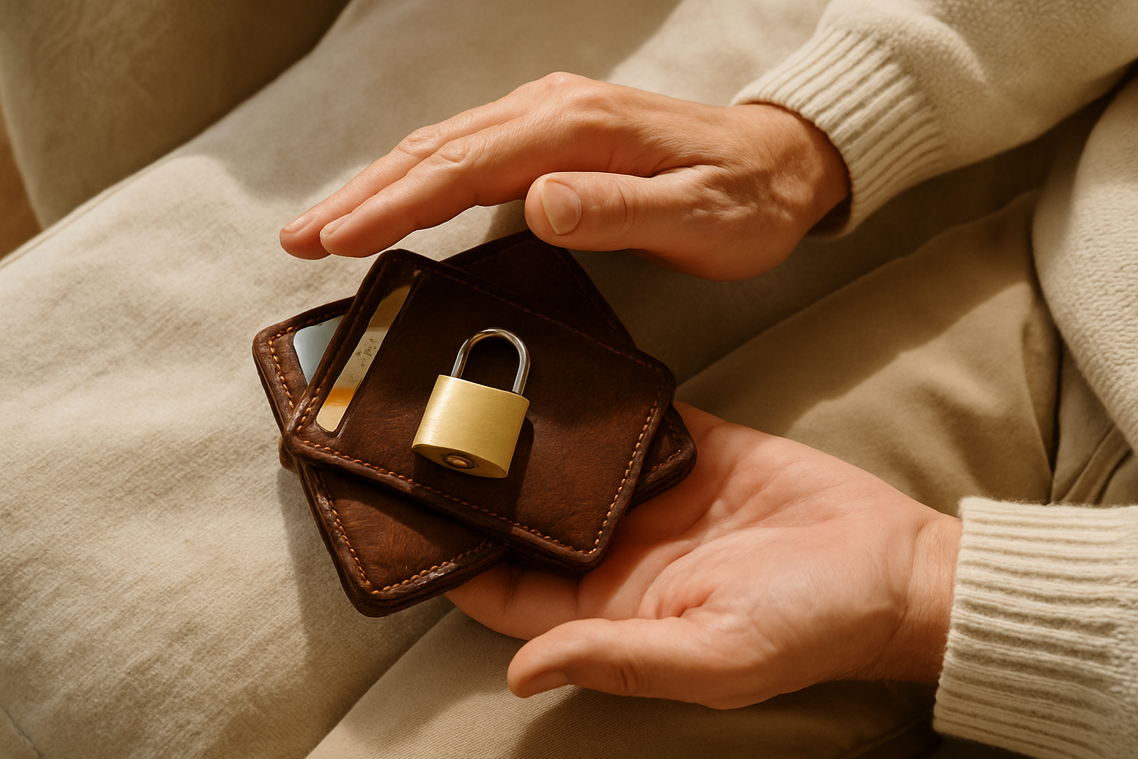
Software wallets are applications installed on internet-connected devices like your phone or laptop. Because they remain online, they’re often called hot wallets—“hot” meaning connected to the internet. In simple terms, they store your private keys, which are secret codes that prove you own and can move your cryptocurrency.
So, how do they protect those keys?
First, there’s password or PIN protection. This acts as the front door lock, stopping someone from casually opening the app. Next comes data encryption. Encryption is the process of scrambling information so it looks unreadable without the correct password. Even if someone accesses your device’s storage, they can’t easily read your keys without decrypting them.
Additionally, many wallets offer Two-Factor Authentication (2FA). This requires a second verification code—often generated by apps like Google Authenticator—before approving transactions. Think of it as needing both a key and a fingerprint to open a safe.
However, here’s the trade-off. Because software wallets stay online, they’re exposed to malware, phishing scams, and keyloggers (programs that secretly record what you type). This is where debates around hardware vs software wallets security often arise. Some argue hot wallets are too risky. That’s fair—but convenience matters, especially for active traders.
In practice, strong passwords, updated devices, and cautious browsing significantly reduce risks. Pro tip: never click wallet-related links in unsolicited emails.
Finally, safeguarding access is critical. Review this guide on how to back up and restore your cryptocurrency wallet to ensure you’re protected if your device fails or is lost.
Hardware Wallets: The Digital Fortress for Your Crypto
If crypto were a superhero universe, a hardware wallet would be Wakanda’s vibranium vault—quiet, offline, and nearly impossible to breach. In simple terms, a hardware wallet is a physical device designed to store your private keys (the secret codes that control your crypto) completely offline. This is known as cold storage, meaning it never directly touches the internet.
The “Air-Gapped” Advantage
The magic lies in what’s called air-gapping—a security model where your private keys never leave the device. When you initiate a transaction, it’s sent to the wallet, signed internally, and returned to your computer already approved. The key itself stays sealed inside. Even if your laptop is riddled with malware (think Mr. Robot-level chaos), your crypto remains safe.
This is where hardware vs software wallets security becomes critical. Software wallets live on internet-connected devices, making them more convenient—but also more exposed. Hardware wallets sacrifice a bit of speed for dramatically stronger isolation.
Core Security Features
- Secure Element Chip: A tamper-resistant microchip, similar to those used in passports and credit cards, built to resist both software exploits and physical attacks (Source: Ledger Security Whitepaper).
- Physical Confirmation: Every transaction requires you to press buttons on the device itself. No hacker across the globe can “click” that for you.
- Device PIN Code: Multiple incorrect attempts typically trigger a full device wipe, protecting funds if stolen.
- Advanced Passphrase (25th Word): An optional extra word added to your recovery phrase that creates hidden wallets—offering plausible deniability under pressure.
Some argue hardware wallets are excessive unless you hold massive sums. That’s fair—if you’re experimenting with small amounts, convenience may win. But as adoption grows and attacks increase (Chainalysis reports billions lost to crypto hacks annually), treating your crypto like digital gold isn’t paranoia—it’s preparation.
Pro tip: Store your recovery phrase offline in multiple secure locations. Not in your Notes app. Ever.
Threat Model Showdown: Software vs. Hardware
When comparing hardware vs software wallets security, the real question is: what are you protecting against?
Malware/Keyloggers: Software wallets live on internet-connected devices, making them vulnerable to spyware that captures keystrokes or screenshots. Hardware wallets keep private keys offline, so even an infected laptop can’t extract them.
Phishing Scams: Fake websites can trick software users into revealing credentials. Hardware wallets require physical confirmation of transaction details on the device screen—an extra verification layer.
Physical Theft: A stolen phone poses risk if unlocked. A stolen hardware wallet remains useless without the PIN, and funds stay recoverable via your seed phrase.
Choosing Your Shield: A Strategy for Secure Storage
You set out to understand the real trade-offs in hardware vs software wallets security, and now you can make that decision with clarity. The risk isn’t just theoretical—choosing the wrong storage setup could expose your assets to unnecessary vulnerabilities or limit your flexibility when you need quick access.
The smart move is balanced protection: keep smaller, everyday amounts in a software wallet and secure long-term holdings in a hardware wallet. That layered approach minimizes risk while preserving convenience.
Don’t leave your digital assets exposed. Set up the right wallet strategy today, follow proven security best practices, and take control of your crypto with confidence and peace of mind.