If you’re searching for clear insights into crypto market trends 2026, you’re likely trying to separate real opportunity from speculation. The digital asset space is evolving fast—new token models, Asia-focused blockchain protocols, and shifting regulatory frameworks are already shaping what the next phase of the market will look like. Without reliable analysis, it’s easy to miss early signals or misread short-term hype as long-term momentum.
This article breaks down the most important developments influencing the year ahead, from emerging crypto concepts and token investment strategies to secure wallet infrastructure and regional innovation hubs driving adoption. Our insights are grounded in continuous trend tracking, deep protocol research, and hands-on evaluation of real-world blockchain use cases.
By the end, you’ll have a clear understanding of where the market is heading, which narratives are gaining strength, and how to position yourself strategically in a rapidly maturing crypto landscape.
Beyond the Hype: A Strategic Forecast for the 2026 Digital Asset Market
After years of boom, bust, and regulatory chess matches, 2026 feels different. Quieter. Sharper. More deliberate. In my view, the next cycle won’t reward hype chasers—it will reward builders focused on real utility.
Here’s where I believe momentum is forming:
- Infrastructure-first Layer 1 and Layer 2 ecosystems in Asia
- Tokenomics models prioritizing sustainable yield over emissions
- On-chain identity and compliance tooling
Skeptics argue speculation will always dominate. Maybe. But capital is maturing. The smartest investors tracking crypto market trends 2026 aren’t asking “What will 10x?”—they’re asking “What will still matter in five years?” (That’s a better question.)
The Great Convergence: Real-World Asset (RWA) Tokenization Matures
Real-World Asset (RWA) tokenization is the process of creating digital representations of tangible or traditional financial assets—such as real estate, private credit, or carbon credits—on a blockchain. In simple terms, it turns ownership rights into programmable tokens. Instead of stacks of paperwork and middlemen, transactions can settle on-chain with transparent records (think less fax machine, more fintech dashboard).
So why does 2026 feel like a tipping point? First, institutional investors are hunting for new yield as traditional bond markets fluctuate. At the same time, regulatory frameworks—particularly across major Asian financial hubs—have become clearer, offering licensing regimes and custody standards that didn’t exist a few years ago (see MAS and HKMA digital asset guidance). That said, it’s still early. Liquidity depth, cross-border compliance, and legal enforceability remain debated.
Importantly, this marks a shift from purely speculative tokens toward assets backed by real-world cash flow. Tokenized U.S. Treasuries, private credit funds, and even private equity stakes are gaining traction. According to Boston Consulting Group, tokenized assets could reach trillions in value by 2030, though projections vary widely.
This convergence bridges DeFi and TradFi: stable yield meets programmable infrastructure. Protocols enabling tokenized treasuries and compliant on-chain funds are central to crypto market trends 2026. Still, whether RWAs become the “Avengers-level” unifier of finance—or just another niche—remains an open question.
The Infrastructure Evolution: App-Chains and Modular Blockchains Take Center Stage
Early blockchains were monolithic—meaning one network handled execution, consensus, and data availability all at once. It worked (until it didn’t). As demand surged, these all-in-one Layer 1s struggled with congestion, high fees, and limited customization. Think of it like forcing every app—from gaming to banking—to run on the same crowded highway.
Now, the shift is toward modular blockchains, where different layers specialize in specific tasks. Even more compelling are application-specific blockchains, or app-chains—dedicated networks built for a single ecosystem. Instead of renting space, projects own the infrastructure.
Why now? High-performance sectors like gaming, social platforms, and AI require speed and scalability that general-purpose chains can’t consistently deliver. Users expect seamless UX (no one tolerates lag in 2026). This demand is shaping crypto market trends 2026 in a big way.
Here’s what’s in it for developers and users:
- Lower transaction fees due to isolated network activity
- Customizable environments tailored to specific use cases
- Greater control over governance and token economies
- Improved scalability without competing for blockspace
Frameworks like Cosmos SDK, Polygon CDK, and Arbitrum Orbit empower teams to launch sovereign chains without building from scratch. That’s the real advantage: flexibility without reinventing the wheel.
Some argue liquidity fragmentation is a downside—and it can be. But interoperability layers are evolving quickly, reducing that risk.
The result? Faster apps, better economics, and infrastructure built around users—not the other way around.
Decentralized Physical Infrastructure (DePIN): Incentivizing the Real World
What is DePIN?
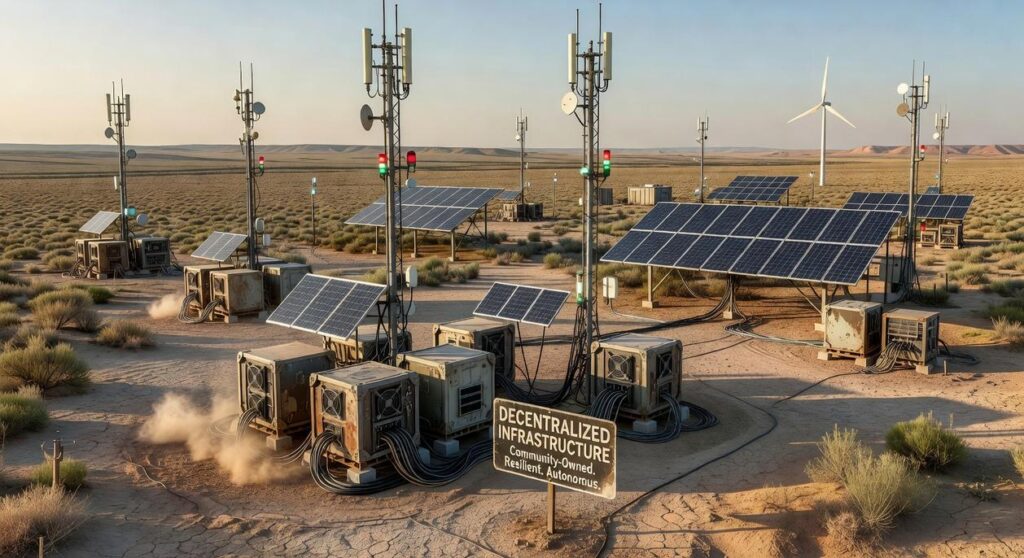
Decentralized Physical Infrastructure Networks (DePIN) are blockchain-based systems that use token rewards to coordinate real-world infrastructure—think wireless coverage, energy grids, or mapping data. Instead of a telecom giant building towers, individuals deploy hardware and earn tokens for contributing coverage. It’s Uber for infrastructure (but without the surge pricing drama).
A vs. B: Centralized vs. DePIN Models
- Centralized Providers: High capital costs, slow expansion, shareholder-driven decisions.
- DePIN Networks: Community-funded hardware, token incentives, expansion based on demand signals.
Critics argue centralized systems are more reliable. Fair point—incumbents have scale. But early DePIN projects are exiting testnet phases and proving sustainable economics in live markets, aligning with broader crypto market trends 2026 focused on real utility over hype.
Investment Strategy: Utility Over Speculation
DePIN differs from meme-driven cycles. Value comes from:
- Actual network usage
- Revenue tied to service demand
- Hardware-backed participation
(Pro tip: Evaluate revenue per node, not just token price charts.)
Key Verticals for 2026
- Decentralized Wireless (DeWi)
- Geospatial Intelligence Networks
- Decentralized Energy Distribution
For identifying breakout sectors early, review these top indicators for identifying early blockchain trends.
DePIN isn’t abstract finance—it’s blockchain meeting the physical world head-on.
User Experience as a Priority: The Push for Smarter, Safer Wallets
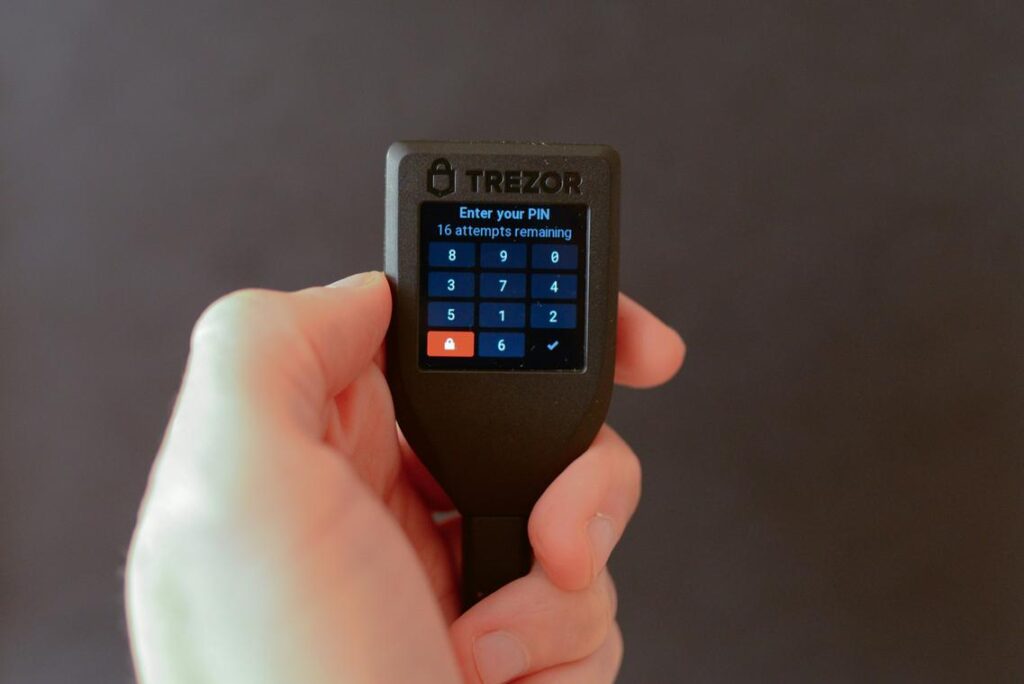
For years, crypto onboarding meant one thing: write down this 12–24 word seed phrase and don’t lose it. Lose it? Funds gone. Share it? Funds gone. No wonder mass adoption stalled (most people just want an app, not a cryptography exam).
Now compare that to 2026’s approach.
Traditional Wallet (EOA) vs Smart Account (Account Abstraction / ERC-4337):
- Login: Seed phrase vs biometrics + recovery options
- Recovery: None vs social recovery (trusted contacts help restore access)
- Fees: User pays gas vs gas sponsorship
- Actions: One transaction at a time vs batched transactions
Account Abstraction (defined simply: turning wallets into programmable smart contracts) transforms accounts into flexible tools. With standards like ERC-4337, wallets can automate rules, limit spending, or bundle actions—making crypto feel closer to Web2 apps.
Some argue this adds complexity. However, complexity under the hood often improves simplicity on the surface (think iPhone vs flip phone).
As crypto market trends 2026 show, smarter wallets aren’t optional—they’re foundational for secure, scalable self-custody.
Positioning for the Next Cycle: A Strategic Outlook for 2026
As we look ahead, the strongest signals point toward utility-driven narratives: RWAs (real-world assets, meaning tokenized versions of bonds, property, or commodities), modular app-chains, DePIN (decentralized physical infrastructure networks), and smart-wallet UX. These aren’t hype cycles—they solve problems.
Some traders argue speculation will always dominate. Short term, maybe. But sustainable value follows adoption (like Amazon survived the dot-com crash).
Here’s what to do:
- Prioritize tokens with revenue, users, and tokenomics.
- Track developer activity and ecosystem grants.
- Study crypto market trends 2026 through on-chain data, not headlines.
Build for durability, not dopamine. Pro tip: favor RWA-integrated protocols early.
Stay Ahead of the Crypto Curve
You came here to understand where the digital asset space is heading and how to position yourself wisely. Now you have a clearer view of the forces shaping crypto market trends 2026, from evolving token strategies to Asia-focused blockchain innovation and smarter security practices.
The reality is simple: the market moves fast, and falling behind can mean missed gains, costly mistakes, or exposure to unnecessary risk. Staying informed isn’t just helpful—it’s your competitive edge.
The opportunity is real for investors who track trends early, understand token fundamentals, and secure their assets properly. But waiting too long or relying on outdated strategies can put your portfolio at risk.
Take action now. Start refining your token investment strategy, follow emerging blockchain protocols, and ensure your wallet security is fully optimized. Get expert-backed insights, proven crypto strategies, and trusted guidance designed to help you navigate volatility with confidence.
Don’t let rapid market shifts dictate your results. Stay informed, stay secure, and make your next crypto move with clarity and conviction.