Crypto moves fast—and if you’re not tracking the right trends, strategies, and security practices, you’re already behind. Whether you’re exploring new token investments, evaluating Asia-focused blockchain protocols, or looking for smarter ways to position your portfolio, the challenge isn’t access to information. It’s knowing what actually matters.
This article is designed to cut through the noise. We’ll break down emerging crypto trends, clarify practical token investment strategies, and highlight key developments shaping the Asian blockchain landscape. You’ll also find step-by-step guidance on secure crypto wallet setup, so you can protect your assets while you grow them.
Our insights are grounded in ongoing market analysis, real-time trend tracking, and hands-on experience evaluating blockchain ecosystems and token models. Instead of speculation, you’ll get structured, research-backed perspectives to help you make confident, informed crypto decisions in a rapidly evolving market.
Your First Step to Bulletproof Crypto Security
In 2021, after a surge in exchange hacks, thousands of new investors learned the hard way that convenience is not security. At first, setting up a wallet feels simple. However, true protection begins with a deliberate secure crypto wallet setup process. Start by choosing a hardware wallet, a physical device that stores private keys offline, meaning your secret access codes never touch the internet. Next, write your seed phrase on paper, store it in two separate locations, and test recovery before depositing funds. Finally, review security every six months. Time changes threats. Constantly.
Understanding the Stakes: Why Self-Custody Is Non-Negotiable
At the heart of crypto lies a blunt truth: “Not your keys, not your crypto.” In simple terms, private keys are the secret codes that prove ownership of your digital assets. If you don’t control them, you don’t truly own what you hold.
On one hand, centralized exchanges feel convenient. They manage passwords, security, and transactions. However, history tells a harsher story. Major exchange collapses like FTX (2022) left billions inaccessible to users (Reuters, 2022). Hacks, withdrawal freezes, and insolvency aren’t hypotheticals—they’re recurring headlines.
By contrast, a self-custody wallet gives you absolute control. Think of an exchange as a bank holding your money. A secure wallet? That’s your personal vault at home. Yes, you assume responsibility—but you eliminate counterparty risk.
Some argue exchanges are safer because professionals manage them. Yet professionals fail. Code gets exploited. Companies mismanage funds. A proper secure crypto wallet setup closes that gap and restores ownership to where it belongs: you.
Choosing Your Fortress: Hot Wallets vs. Cold Wallets
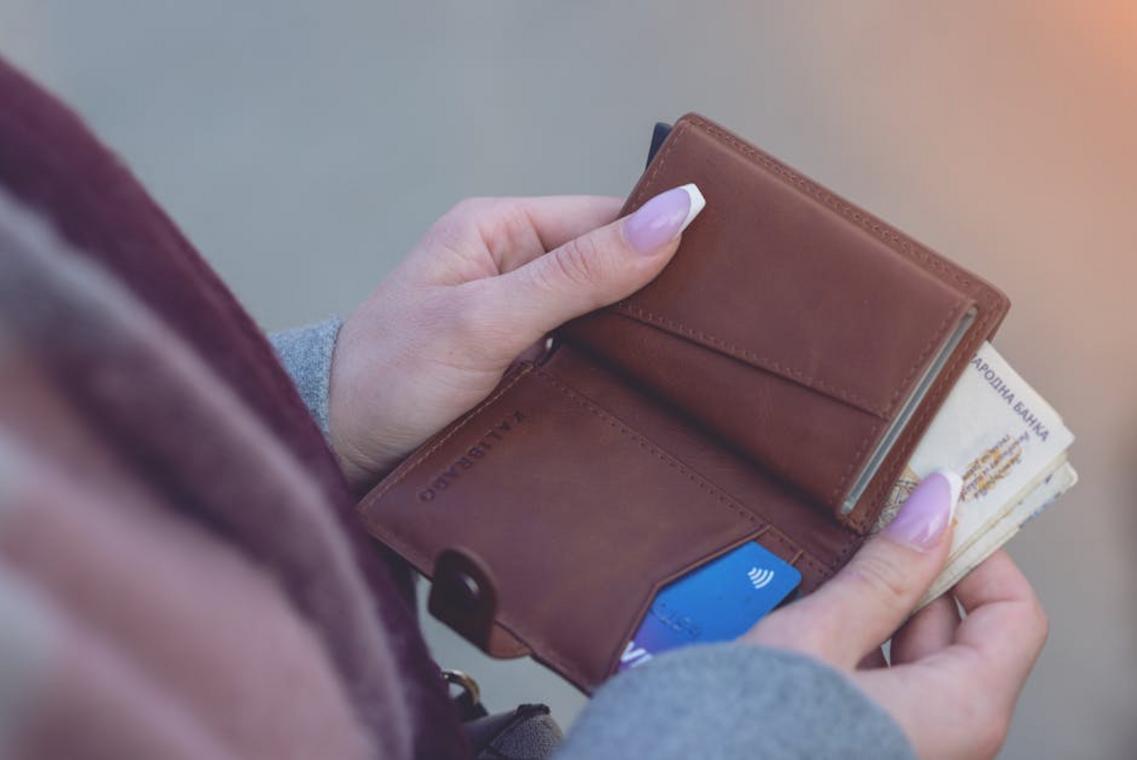
When it comes to storing crypto, the real question isn’t if you need a wallet—it’s which kind fits your strategy.
Defining Hot Wallets
Hot wallets are software-based wallets connected to the internet. Because they’re always online, they’re built for speed and accessibility. Think MetaMask or Phantom—popular tools for interacting with DeFi (decentralized finance, or blockchain-based financial apps) and NFTs. If you’re swapping tokens daily or minting the latest project, a hot wallet keeps everything one click away (convenience is king here).
However, critics argue hot wallets are riskier due to phishing and malware. They’re not wrong. According to Chainalysis (2023), a significant portion of crypto hacks stem from compromised private keys. Still, for active traders, the flexibility often outweighs the risk.
Defining Cold Wallets
Cold wallets, by contrast, are hardware devices that store your private keys offline. Ledger and Trezor are leading examples. Because they’re disconnected from the internet, they drastically reduce hacking exposure. This makes them ideal for long-term storage—perfect for HODLers (investors who hold long term regardless of volatility).
Some argue hardware wallets are inconvenient or expensive. True, they require upfront cost and extra steps. But for substantial holdings, that friction is a feature, not a flaw.
Head-to-Head Comparison
- Security: Cold wins for offline protection.
- Convenience: Hot wins for daily access.
- Cost: Hot is usually free; cold requires purchase.
- Best For: Traders (hot), long-term investors (cold).
So, what’s next? Consider a hybrid approach. Use a hot wallet for transactions and a cold wallet for storage. Start with a secure crypto wallet setup and explore hardware vs software wallets which is safer: https://ftasiamanagement.com.co/hardware-vs-software-wallets-which-is-safer/.
(Pro tip: Never store all assets in one place.)
The Ultimate Setup Guide: Creating Your Secure Wallet in 5 Steps
A proper wallet setup isn’t just a checklist—it’s your financial seatbelt. Done right, it protects your assets from hacks, phishing, and simple human error (which, let’s be honest, is the most common culprit).
-
Select and Verify Your Wallet Software/Hardware
Download wallet apps or firmware only from official websites or verified app stores. Fake wallet clones are a common malware tactic (Chainalysis reports billions lost annually to crypto crime). Double-check URLs, spelling, and publisher details. Hardware wallet? Ensure packaging is sealed and untampered. The benefit: you eliminate 90% of preventable compromise risks before you even begin. -
The Sacred Seed Phrase
Your 12- or 24-word recovery phrase is a randomly generated master key that restores your wallet on any compatible device. If someone has it, they control your funds. Never screenshot it. Never store it in cloud notes. Never share it. Not with “support agents.” Not with friends. Not even with family. (If someone asks for it, that’s your red flag.) -
Offline Storage Methods
Write the phrase clearly on paper and store it in a fireproof safe. For higher value holdings, engrave or stamp it onto a steel backup plate to protect against fire and water damage. Consider geographically separate storage if appropriate. This step transforms a basic wallet into a resilient vault. -
Set a Strong Unique Password
Your password unlocks the device or app locally. Your seed phrase restores the wallet globally. Big difference. Use at least 12–16 characters with mixed types, and never reuse passwords. A password manager helps (pro tip: enable 2FA wherever available). -
The Test Transaction
Send a very small amount of crypto to your new wallet. Then send a small portion back out. Confirm addresses, fees, and confirmations. This validates your secure crypto wallet setup before transferring larger sums. Think of it as a soundcheck before the concert—quiet, controlled, and essential.
Daily Habits for Ironclad Security and Safe Transactions
Start with transaction best practices: double-check wallet addresses, because a single wrong character can send funds elsewhere. Use copy-paste carefully, then confirm the first and last digits. Next, understand gas fees—transaction costs paid to blockchain validators—so you are not surprised during busy periods. Meanwhile, stay alert to phishing: fake airdrops, which promise free tokens, malicious smart contracts, meaning harmful code, and support impersonators. Finally, pair a hardware wallet—an offline device that stores private keys—with MetaMask for signing transactions securely. This secure crypto wallet setup keeps approvals isolated, even if browsers are compromised.
Your crypto is only as safe as your keys. A private key is the secret code that proves ownership of your coins; a seed phrase is the 12–24 word master backup that recreates that key. Lose them, and access is gone. Share them, and control is gone.
The fear of hacks or fat‑finger mistakes is real. However, it’s preventable. By controlling your keys and following secure crypto wallet setup steps, you remove the biggest risks.
Final checklist:
- Seed phrase written offline and stored safely?
- Strong, unique password set?
- Test transaction completed?
- Official sites bookmarked?
(Double-check wins.)
Stay Ahead in the Crypto Market
You came here to better understand crypto trends, token investment strategies, and the evolving landscape of Asia-focused blockchain innovation. Now you have a clearer roadmap for spotting opportunities, managing risk, and positioning yourself ahead of market shifts.
The crypto space moves fast—and that’s exactly where most investors struggle. Without reliable trend tracking, practical strategy, and a secure crypto wallet setup, even strong opportunities can turn into costly mistakes. Acting without structure is risky. Waiting too long can mean missing the upside entirely.
The key is consistent action. Monitor emerging protocols. Evaluate token fundamentals before investing. Prioritize security from day one. And most importantly, apply structured strategies instead of emotional decisions.
If you’re serious about protecting your assets and capitalizing on the next wave of blockchain growth, start implementing a smarter system today. Use proven insights, follow validated crypto concepts, and make security your foundation.
Don’t leave your portfolio exposed or your strategy undefined. Take control now—strengthen your approach, secure your holdings, and move forward with clarity and confidence.