
The Anatomy of a Vesting Schedule: Key Components Explained
Understanding token vesting schedules explained starts with the cliff. A cliff is the initial waiting period before any tokens unlock. For example, a 1-year cliff means zero tokens are released during the first 12 months. Only after that threshold do distributions begin. This mechanism protects projects from short-term contributors who might otherwise exit early (think of it as a loyalty test written into code). Critics argue cliffs can feel restrictive or demotivating. Fair point. However, without a cliff, teams could theoretically walk away with immediate liquidity—hardly reassuring for long-term investors.
Next comes the vesting period—the total time over which tokens are distributed after the cliff. Common ranges span 24 to 48 months. A longer vesting period signals sustained commitment, though some skeptics say it delays fair compensation. In volatile markets, however, gradual release can reduce sudden sell pressure, which benefits price stability (Source: Binance Research, 2023).
Then there’s the release schedule, also called vesting frequency. Linear vesting releases small amounts daily or monthly, creating predictable supply flow. Periodic vesting unlocks larger chunks quarterly or annually. The former smooths market impact; the latter can cause noticeable price swings when unlock dates hit. If you’ve ever seen a token dip sharply on unlock day, you’ve witnessed periodic vesting in action. Pro tip: always check unlock calendars before entering a position.
Finally, the TGE (Token Generation Event) unlock matters. Some public sale allocations release a percentage immediately at launch, with the rest vesting over time. In the future, I suspect we’ll see shorter cliffs but longer linear vesting—balancing flexibility with stability as investors demand transparency.
Who Gets Vested Tokens? A Look at Common Allocations

If there’s one mistake I’ve made (and seen others make), it’s ignoring who actually holds the tokens. I once focused only on hype and roadmap—never checked the unlock schedule. When supply hit the market, price dropped fast. Lesson learned: always study token vesting schedules explained in the section once exactly as it is given before investing.
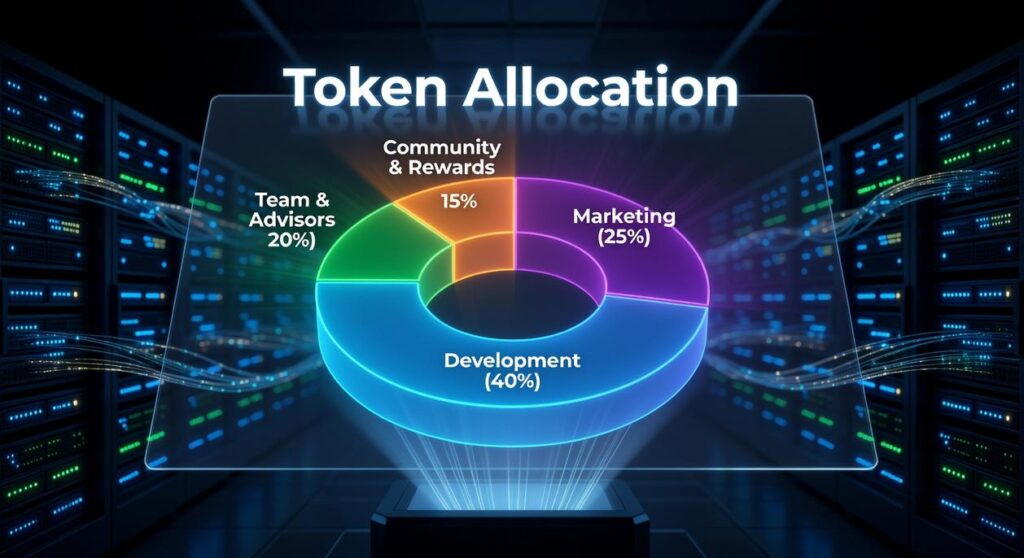
Here’s how allocations usually break down:
- Team & Advisors: Often face the longest vesting and strict cliffs (a cliff means no tokens unlock until a set date). This signals long-term commitment—but only if they stick around.
- Seed & Private Round Investors: Early backers get discounts and structured vesting, typically shorter than the team’s. When their unlock hits, volatility can spike (think sudden liquidity waves).
- Ecosystem & Treasury Funds: Reserved for grants, partnerships, and growth. Gradual release prevents oversupply.
- Public & Community Sale: Usually the most favorable terms, with larger TGE (Token Generation Event) unlocks.
Some argue vesting doesn’t matter if fundamentals are strong. I disagree. Supply shocks can override narrative. That’s why analyzing community strength as an investment signal in crypto remains critical alongside allocation review.
How to Analyze a Vesting Schedule: Red Flags & Green Flags
A few years ago, I aped into a promising token without checking the vesting details. Three months later, a massive unlock hit the market—and the price dropped 40% in a week. Lesson learned: always read the fine print.
So where do you find it? Start with the project’s whitepaper, official docs, or tokenomics page. Then verify the data on third-party platforms like TokenUnlocks or Messari (both aggregate and track upcoming unlock events). Cross-checking matters because documentation can change.
If you’re new to token vesting schedules explained, here’s the core idea: vesting controls how and when insiders receive their tokens over time.
Now, red flags. Watch for:
- Team cliffs shorter than 6 months
- Large “unlock cliffs” that release huge chunks at once
- Over 30–40% of supply allocated to insiders with fast vesting
On the flip side, green flags include:
- Team vesting longer than 3 years
- Gradual, linear unlocks
- Strong community and ecosystem allocations
Finally, map major unlock dates on a calendar. Anticipating sell pressure helps you manage volatility (pro tip: check unlock schedules quarterly).
Making Vesting Analysis a Core Part of Your Strategy
You now have the tools to break down and evaluate any project’s token vesting schedules explained exactly as it is given, shifting from a passive holder to a disciplined analyst.
Too many investors skip this step. They get excited about vision, partnerships, or hype—while ignoring the release mechanics that can quietly crush price momentum. Investing without analyzing tokenomics is an unforced error. Even a strong project can struggle under poor token release design.
When you make vesting analysis a non-negotiable part of your research process, you reduce avoidable risk. You gain clarity on supply pressure, long-term incentives, and whether growth is built on solid foundations or temporary momentum.
Before your next investment, pull up the project’s vesting schedule and ask the critical questions outlined in this guide. Protect your capital. Strengthen your strategy. Your portfolio will thank you.