

Crypto prices move fast. Real value doesn’t.
If you’re here, you’re likely trying to separate genuine long-term potential from pure speculation. The problem? Most investors rely on hype cycles, social media sentiment, or short-term price charts when deciding what to buy. That approach leads to emotional decisions—and unnecessary risk.
This guide breaks down how to evaluate a crypto token using a structured, fundamentals-first framework. Instead of chasing momentum, you’ll learn how to assess intrinsic value through on-chain data, tokenomics, real-world utility, governance design, and broader market positioning.
Our analysis is grounded in deep market research and valuation principles adapted from traditional finance to fit decentralized networks. By the end, you’ll have practical, multi-layered tools to confidently assess any token’s long-term potential—not just its current price.
Pillar 1: On-Chain Metrics – The Network’s Live Report Card
If a whitepaper is a project’s promise, on-chain metrics are its report card.
On-chain metrics are publicly verifiable data pulled directly from a blockchain. Because blockchains are distributed ledgers (shared databases maintained by many participants), this data isn’t marketing—it’s math. Anyone can audit it. That transparency makes on-chain analysis one of the most objective ways to approach how to evaluate a crypto token.
Some critics argue that on-chain data can be misleading. Bots inflate activity. Exchanges batch transactions. Fair points. But over time, consistent patterns still reveal whether a network has real users—or just hype (remember the 2021 meme coin frenzy?).
Here are the core metrics:
- Transaction Count & Volume: Sustained, organic growth suggests real utility. If value transferred rises alongside usage, that’s stronger than price spikes alone.
- Active Addresses: Daily or monthly active wallets signal user adoption. Flat or declining growth? That’s a red flag waving in plain sight.
- Holder Distribution: If top wallets control most tokens (“whales”), volatility and manipulation risk increase.
- NVT Ratio (Network Value to Transactions): Often compared to a P/E ratio in stocks, it measures whether valuation aligns with on-chain activity (Woo, 2017). A soaring NVT may suggest overvaluation—or early-stage speculation before adoption catches up.
Speculation: As regulators demand transparency, investors will likely lean more heavily on on-chain fundamentals over social media narratives.
Pro tip: Compare metrics over multiple timeframes, not just weekly snapshots.
Pillar 2: Fundamental Analysis – Assessing the Project’s Core Viability
Price charts can be flashy. Code can look impressive. But beyond the tech, fundamental analysis asks a bigger question: Is this project built to last? In simple terms, fundamental analysis evaluates the qualitative factors that influence long-term success (think of it as judging the foundation, not just the paint job).
First, consider the whitepaper and roadmap. A whitepaper outlines the project’s mission, technology, and economic model. A roadmap details planned milestones and timelines. Does the project solve a real-world problem, or is it creating a solution in search of one? For example, Ethereum’s early whitepaper clearly defined smart contracts as programmable agreements—something developers immediately understood the value of (Buterin, 2014). Clear vision plus realistic milestones equals credibility.
Next, evaluate the team and community. Experienced developers with transparent track records reduce execution risk. Meanwhile, an engaged community on Discord, Telegram, or X signals organic interest rather than hype-driven speculation. According to Electric Capital’s 2023 Developer Report, projects with consistent developer activity are more likely to sustain long-term growth. That’s a direct benefit to you: fewer surprises, stronger resilience.
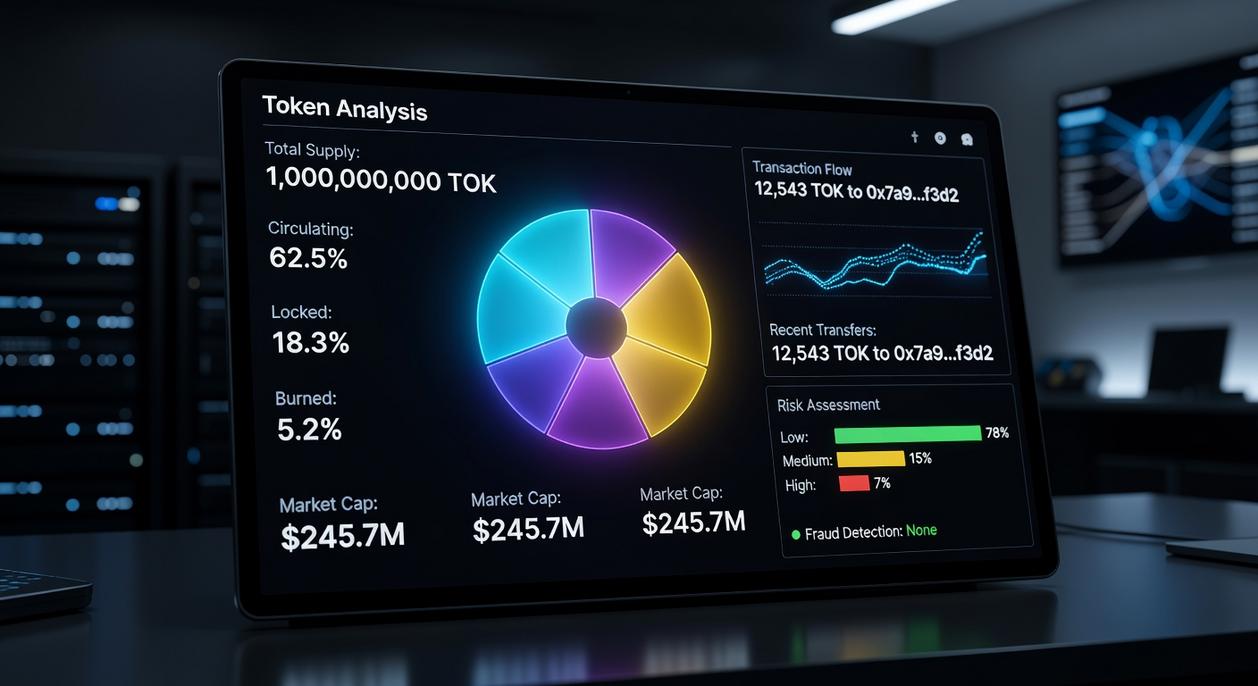
Then comes tokenomics—the economics of the token. Analyze total supply, circulating supply, inflation rate, and vesting schedules. If insiders unlock massive allocations early, selling pressure can follow (and rarely ends well). Strong tokenomics incentivize holding and real utility, not just speculation. Pro tip: Watch for transparent vesting dashboards.
Finally, assess market position and competition. What’s the unique value proposition? How does it compare to direct and indirect rivals? When you understand how to evaluate a crypto token through these lenses, you gain confidence, reduce avoidable risk, and position yourself for smarter long-term decisions.
Special Considerations for Valuing Niche & Regional Tokens
Not all tokens live in the same universe. A global Layer-1 and a Japan-focused gaming token may both trade on exchanges—but their valuation drivers are worlds apart.
Global Token vs. Asia-Focused Protocol
- Regulation: A U.S.-centric project might hinge on SEC clarity, while a Japan-based token must align with the Financial Services Agency (FSA) framework (Japan FSA, 2023). South Korea’s strict exchange listing rules also shape liquidity.
- Distribution: Western tokens often rely on Twitter and Discord. In contrast, integration with super-apps like LINE or Kakao can dramatically accelerate adoption in Asia.
- User Behavior: GameFi dominates parts of Southeast Asia (DappRadar, 2023). Ignoring that would be like valuing Netflix without considering streaming demand.
Some argue fundamentals are universal—tokenomics, utility, supply. True. But context multiplies or shrinks those fundamentals.
When thinking about how to evaluate a crypto token, compare regional traction, regulatory fit, and cultural resonance side by side.
Pro tip: If localized marketing feels authentic—not translated—you’re likely seeing stronger community retention.
Building a Holistic Valuation Framework
Crypto markets move fast. Hype spreads faster. And without a clear system, it’s easy to confuse momentum with real value.
You came here for clarity. Now you have it—a robust, three-pillar framework that combines on-chain data, fundamental analysis, and financial metrics. This is how to evaluate a crypto token exactly as it is given: by examining network activity, assessing the project’s fundamentals, and validating everything with measurable financial data.
The real problem was speculation. Guesswork. Chasing narratives without evidence. By applying this structured approach, you move beyond noise and base your decisions on data, logic, and long-term potential.
A holistic framework isn’t optional in crypto—it’s essential. It’s how you identify durable projects while others chase short-term spikes.
Now act on it. Pick a token you’re watching and apply this framework today. Build the discipline, sharpen your analysis, and invest with confidence.