
The digital asset market won’t look the same in 2026 as it does today.
You’re here because the pace of change feels relentless. New tokens launch daily. Regulations shift overnight. Narratives explode—and disappear just as quickly. It’s getting harder to tell which movements signal real structural change and which are just short-term hype.
This introduction to digital asset macro trends 2026 cuts through that noise.
Instead of chasing price predictions, we focus on what actually drives long-term value: evolving blockchain architectures, institutional capital flows, regulatory direction, and the maturation of on-chain infrastructure. These are the forces shaping the next phase of the crypto markets.
You’ll walk away with a clear, strategic view of the trends most likely to define 2026—from institutional adoption and token design innovation to Asia-led protocol growth—so you can position yourself with conviction, not guesswork.
Trend #1: The Great Convergence – Tokenization of Real-World Assets (RWAs)
For years, crypto was mostly digital-native—Bitcoin, Ether, governance tokens, NFTs. Assets that lived entirely on-chain. Now we’re seeing a structural shift: the tokenization of real-world assets (RWAs).
Tokenization means representing ownership of a tangible asset—like real estate, private equity shares, or carbon credits—as a blockchain-based token. Instead of paperwork and slow settlement, ownership is recorded and transferred on-chain. Think of it as turning a skyscraper, a fund, or even a forest credit into something that trades with the efficiency of a stablecoin (yes, Monopoly money—but regulated and real).
The Institutional Bridge
Why does this matter? Because RWAs offer something traditional finance (TradFi) understands: cash flows, collateral, and legal frameworks. A tokenized Treasury bond is far less abstract than a meme coin. For banks and asset managers, RWAs provide a compliant gateway into decentralized finance.
Some skeptics argue blockchain adds unnecessary complexity. Fair point. But when settlement times shrink from days to minutes and intermediaries are reduced (DTCC reports U.S. equity settlement still averages T+1), efficiency becomes hard to ignore.
Key Drivers for 2026
Two accelerators stand out:
- Regulatory clarity around digital securities
- Institutional-grade DeFi protocols with built-in compliance and KYC
These are central themes in digital asset macro trends 2026.
Investment Insight
Look beyond the assets themselves. The real leverage may lie in platforms that handle issuance, compliance, custody, and secondary trading of RWAs. Pro tip: prioritize protocols with audited smart contracts and transparent reserve reporting.
If adoption continues, RWAs could become the quiet backbone of the next crypto cycle.
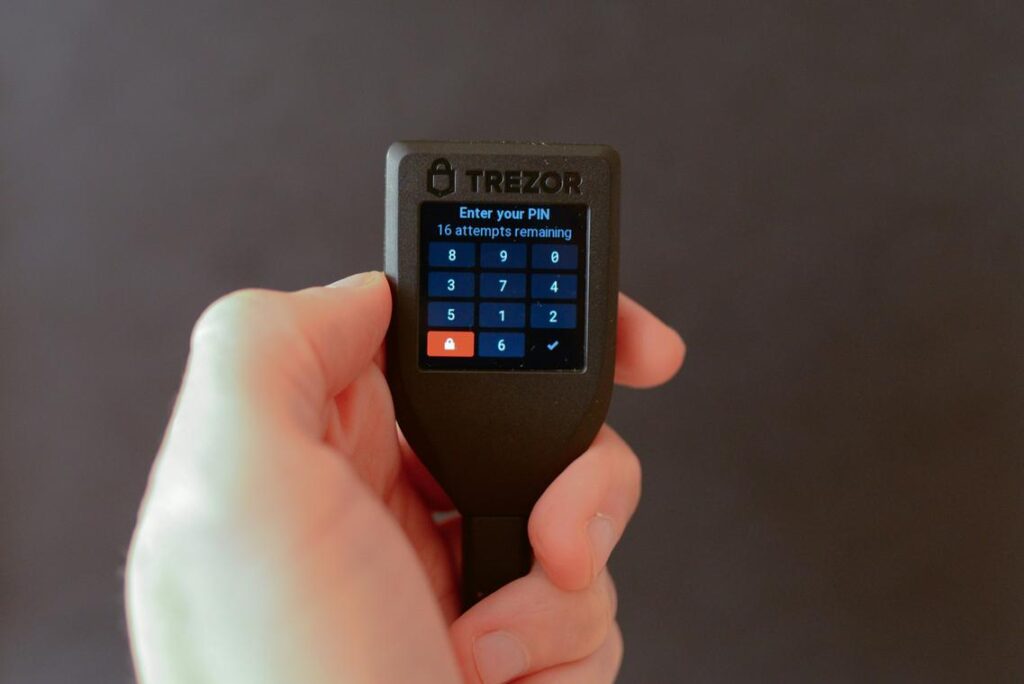
Trend #4: The Return to Self-Custody and Smart Wallets

First, the catalyst was painful. In 2022, centralized platforms like FTX collapsed, wiping out an estimated $8–10 billion in customer funds (U.S. bankruptcy filings). Billions more were frozen across lenders like Celsius. The lesson was blunt: if you don’t control the private keys—your secret cryptographic password—you don’t truly control the assets.
As a result, self-custody (holding your own keys) has surged. Chainalysis reports that users increasingly moved funds to personal wallets after major exchange failures. Meanwhile, smart contract wallets—blockchain accounts governed by code—are evolving fast under ERC-4337, also known as account abstraction. This standard lets wallets behave more like apps than vaults.
By 2026, expect social recovery, multi-factor authentication, and programmable spending limits to be standard. Critics argue self-custody is risky for beginners. Fair—but modern smart wallets reduce user error dramatically.
Pro tip: choose wallets where you control the private keys, verify open-source audits, and test recovery features first. These shifts align closely with digital asset macro trends 2026.
Positioning for a More Mature Digital Asset Market
The digital asset macro trends 2026 are no longer abstract ideas. They’re tangible shifts reshaping how capital moves, how protocols scale, and how users secure value.
You now have a clear map of the five forces driving this evolution: RWA tokenization, APAC’s accelerating influence, modular blockchain design, the rise of self-custody, and the powerful synergy between AI and crypto infrastructure.
In a market flooded with noise, narratives, and short-term speculation, clarity is your edge. This framework helps you focus on structural change instead of hype cycles. It highlights where durable value is forming—and where capital is most likely to compound over time.
The path forward is simple but deliberate: build and invest with these trends in mind. Prioritize real utility over speculation. Demand security. Lean into real-world integration and geographic diversification.
Now evaluate your current strategy. Are you positioned for self-custody? Are you diversified across emerging APAC ecosystems and modular infrastructure plays? If not, adjust now.
The next cycle will reward preparation, not reaction. Align your portfolio with the digital asset macro trends 2026 today—and take control of your strategy before the market forces you to.